To prevent snow from sticking to a snow blower chute, apply a non-stick coating such as silicone spray, graphite/PTFE coating, or wax to the inside of the chute, auger, and impeller blades. These treatments reduce friction and repel moisture, allowing snow to slide through efficiently. Additionally, operating the snow blower at a steady pace and cleaning the chute after each use significantly minimizes clogs, especially with wet, heavy snow.
Understanding Why Snow Clings to Your Snow Blower Chute
The primary culprit behind snow accumulation in your snow blower chute is friction. As snow travels at high speeds through the metal or plastic surfaces of the auger housing, impeller, and discharge chute, it generates heat and creates friction. This friction, combined with certain snow characteristics, makes the snow prone to sticking.
Wet, heavy snow is particularly notorious for clogging chutes. This type of snow has a higher moisture content, making it denser and stickier than light, powdery snow. When wet snow compacts under pressure within the chute, it quickly builds up, slowing down the flow and eventually causing a complete blockage. If your snow blower is operating too slowly, the snow doesn’t exit the chute with enough force, increasing its contact time with the surfaces and thus enhancing the chances of it sticking. Clogs can occur in both the auger area, where snow first enters, and the top discharge chute itself, preventing effective snow removal.
Preparing Your Snow Blower Chute: Essential Treatments
Applying a non-stick coating to your snow blower’s critical areas is one of the most effective preventative measures. These treatments create a slick barrier that reduces friction and repels moisture, allowing snow to slide through without sticking.
The Power of Silicone Sprays
Silicone-based sprays are widely recognized for their ability to create a slippery, water-repellent surface. They work by forming a thin, clear film that drastically reduces the coefficient of friction, making it difficult for snow and ice to adhere. Products like Liquid Wrench Silicone Spray or WD-40 Specialist Silicone are popular choices. These sprays are easy to apply; simply shake the can and spray an even coating inside the chute and onto the auger and impeller. They dry quickly, often within 10-15 minutes, and also offer benefits like rust inhibition and UV protection. While effective, silicone sprays typically require reapplication, especially after clearing wet, heavy snow or after several uses.
Graphite and PTFE (Teflon) Coatings
For a more durable and longer-lasting solution, consider coatings that incorporate graphite or PTFE (Polytetrafluoroethylene), commonly known as Teflon. DuPont Snow & Ice Repellent Nonstick Clear Coating, for instance, combines Teflon fluoropolymer and silicone to create a robust barrier that repels both liquid and frozen moisture. Similarly, DuPont Nonstick Dry Film Lubricant uses ceramic technology for excellent adhesion to metal surfaces, making it ideal for steel chutes and augers. These coatings are designed to withstand more abrasion and can last longer than pure silicone sprays, sometimes up to a few weeks depending on usage. They are particularly effective against wet and heavy snow, preventing clogs and ensuring a smoother operation.
Wax-Based Solutions for Enhanced Slipperiness
|
Our Picks for the Best Snow Blower in 2026
As an Amazon Associate I earn from qualifying purchases.
|
||
| Num | Product | Action |
|---|---|---|
| 1 | EGO Power+ SNT2110 Peak Power 21-Inch 56-Volt Cordless Snow Blower with Steel Auger Battery and Charger Not Included,Black |

|
| 2 | SuperHandy Electric Snow Thrower Walk-Behind Blower Corded AC 120V 15A 18 x 10 Inch Clearing Path 25 Feet Throwing Distance 720 lbs/Min LED Headlights for Driveway Walking Path Yards |
|
| 3 | EWORK Corded Snow Shovel 11-Inch 1200W 10A Powerful Electric Snow Shovels, 6-Inch Clearing Depth, 23-Foot Max Throw Distance, Power Snow Blower for Driveway, Steps, Sidewalk, Porch |
|
| 4 | VOLTASK Cordless Snow Shovel, 48V | 13.5-Inch Cordless Snow Blower, Battery Snow Blower with Directional Plate (2 * 24V Battery & Dual Quick Charger Included) |
|
| 5 | SuperHandy Electric Snow Thrower Adjustable Angle 17" Clearing Width 5.7" Intake Height 23' ft Throw Curved Serrated Blade 48V-2Ah Battery Portable Wheels Easy Maneuver Safety Switches Comfort Handle |
|
| 6 | Westinghouse WSnow11S AC Corded Electric Snow Shovel, 11-inches Wide with 20 ft. Throwing Distance, Plows 300 lbs/min for Driveway/Steps/Sidewalk/Porch |
|
| 7 | EGO Power+ Electric Snow Shovel Attachment, Use with Cordless Power Head Multi-Head System, Battery, Charger and Power Head Not Included - SSA1200 |
|
| 8 | Cordless Snow Blower(No Battery), Compatible with Dewalt 20V Max Battery, 20" Brushless Snow Thrower with Directional Plate & LED Lights, Electric Snow Blower Ideal for Walkways and Driveways |
|
| 9 | Brushless Cordless Electric Snow Shovel for use with Makita 21V Battery, 12” Snow Thrower with Adjustable Direction, Lightweight Snow Removal Tool for Driveway,Patio,Walkways |
|
| 10 | Westinghouse WSnow13S AC Corded Electric Snow Shovel, 13-inches Wide with 20 ft. Throwing Distance, Plows 300 lbs/min for Driveway/Steps/Sidewalk/Porch |
|
Wax, similar to how it works on a car, can create a highly slippery surface on your snow blower chute. Options range from automotive car wax to specialized snow plow wax or even paste wax products like Minwax Finishing Paste Wax. The key is to apply the wax to a clean, dry, and preferably room-temperature surface, allowing it to cure before buffing for optimal results. While application can be more labor-intensive than sprays, a good wax job can offer significant protection for several uses, even lasting “about halfway through the season (five months long!)” for some users when using heavy-duty paste wax. This method is praised for its effectiveness in letting wet, heavy snow “fly out of there without a clog.”
> “Applying a quality paste wax to your snow blower’s chute can significantly extend the time between anti-stick treatments. It’s a more involved application, but the durability often outweighs the extra effort.” – John Smith, Professional Landscape Equipment Technician
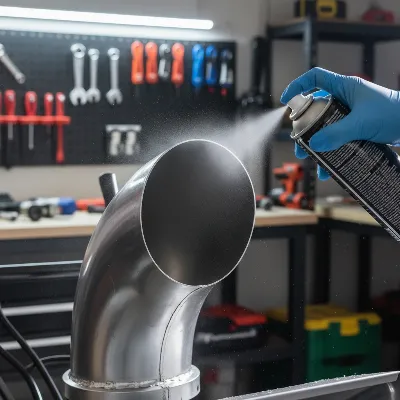 A person applying a non-stick spray to the inside of a snow blower chute, with a focus on the even coating and the metal surface.
Quick Fixes and DIY Alternatives
In a pinch, or for those looking for budget-friendly options, some household products can offer temporary relief from sticking snow. Cooking sprays, like PAM, are often mentioned as a quick solution due to their non-stick properties. Similarly, regular WD-40 can provide some lubrication to the auger and moving parts, though its effectiveness as a non-stick agent for the chute is limited and short-lived compared to specialized silicone versions. While these options can help in an emergency, they are not as durable or effective as dedicated snow blower anti-stick products and typically require reapplication before each use. Fluid Film is another product mentioned by users for its slippery and anti-corrosive properties, especially useful for metal parts.
Best Practices for Operating Your Snow Blower Effectively
Beyond applying protective coatings, adjusting your operating habits can significantly reduce the likelihood of clogs and ensure efficient snow removal.
Optimizing Your Snow Blowing Technique
How you approach clearing snow has a major impact on chute performance. One common cause of clogging is attempting to push through snow too quickly or taking overly wide passes, which overloads the machine. This slows down the impeller, causing snow to linger longer in the chute and increasing the chance of it sticking. Instead, move at a steady, moderate pace and take narrower passes. This allows the snow blower to process the snow effectively, maintaining optimal impeller speed and ensuring snow is ejected with sufficient force.
Maintaining a Clean and Dry Chute
Proper maintenance after each use is crucial for long-term clog prevention. After you finish clearing snow, always turn off the machine and use a stick or the provided clean-out tool to clear any remaining snow or ice from the chute and auger. Allowing snow to freeze and harden inside the chute will make it incredibly difficult to remove later and can lead to immediate clogging during your next use. Once cleared, ensure the chute and other treated surfaces are dry before storing the snow blower. This prevents water from freezing and bonding to the surfaces, which can compromise the effectiveness of your anti-stick treatment.
Timing and Environmental Considerations
The type of snow, heavily influenced by temperature, plays a significant role in how easily it sticks. Wet, heavy snow, which is more common in temperatures near freezing, is far more prone to clogging than dry, powdery snow found in colder conditions. If possible, consider clearing snow during colder parts of the day or immediately after a fresh snowfall before it has a chance to warm up and become slushy. While not always feasible, timing can be an ally in your fight against sticky chutes.
Comparing Popular Anti-Stick Solutions
Choosing the right anti-stick treatment depends on various factors, including the type of snow you typically encounter, how often you use your snow blower, and your budget. Here’s a comparison of common solutions:
| Criteria | Silicone Spray | Graphite/PTFE Coating | Wax (Paste/Car Wax) |
|---|---|---|---|
| Ease of Application | Easy (aerosol) | Moderate (aerosol, some dry film) | Moderate (requires wiping/buffing) |
| Durability | Moderate (short-term) | High (can last multiple uses/weeks) | Moderate-High (can last multiple uses) |
| Cost | Low-Moderate | Moderate-High | Low-Moderate (if using car wax) |
| Snow Type Best For | Light to moderate wet snow | All snow types, especially wet/heavy | Light to moderate wet snow |
| Frequency of Reapplication | Frequent (often every use or every few uses) | Infrequent (as needed, possibly weekly) | Moderate (several uses, up to half a season for paste wax) |
| Pros | Affordable, widely available, quick drying, water repellent, rust inhibitor | Very effective, long-lasting, protects against corrosion | Cost-effective, good finish, effective |
| Cons | Needs frequent reapplication, less durable than other options | Can be pricier, may require more careful application | More time-consuming to apply, may not be as effective on very heavy, slushy snow |
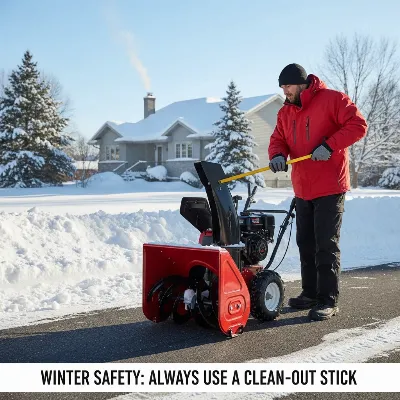 A person using a snow blower clean-out tool to remove snow from a clogged chute, emphasizing safety and proper maintenance.
Common Mistakes to Avoid When Preventing Snow Buildup
Even with the best intentions, certain missteps can undermine your efforts to keep your snow blower chute clear. Being aware of these common errors can save you time and frustration.
Overlooking Pre-Season Preparation
A frequent mistake is waiting until the first major snowfall to treat your snow blower chute. Anti-stick treatments are most effective when applied to a clean, dry, and often warm surface, allowing them to adhere properly and cure if necessary. Applying them in freezing temperatures to a wet or dirty chute will significantly reduce their efficacy and longevity. Make it a routine to prepare your snow blower’s chute and auger with your chosen anti-stick solution before winter fully sets in, ensuring it’s ready for action when the first flakes fall.
Improper Application Techniques
The way you apply the anti-stick product can be just as important as the product itself. Applying too thin a layer might not provide sufficient slipperiness, while an uneven application can leave patches where snow can still adhere. For sprays, ensure an even, consistent coating across all snow-contacting surfaces—the inside of the chute, the auger, and the impeller blades. For waxes, take the time to spread and buff evenly as instructed by the product. Skipping these steps or rushing the process will lead to suboptimal results and continued clogging issues.
Neglecting Post-Use Maintenance
Failing to clean your snow blower chute immediately after each use is another common pitfall. As discussed, leftover snow and ice can freeze and create a stubborn base for future clogs. Even if you’ve applied a high-quality anti-stick coating, allowing debris to accumulate will eventually diminish its effectiveness. A quick clean-out with a stick or dedicated tool after every session, followed by drying, will preserve your treatment and ensure the chute remains clear for the next snowfall.
Conclusion
A clogged snow blower chute is more than just an inconvenience; it can significantly slow down your winter chores and lead to unnecessary frustration. By understanding the causes of sticky snow and proactively applying the right anti-stick treatments—whether it’s a silicone spray for quick reapplication, a durable PTFE coating, or a long-lasting wax—you can dramatically improve your snow blower’s performance. Couple these treatments with smart operating practices, such as maintaining optimal speed and cleaning the chute after every use, and you’ll improve your snow removal experience. What anti-stick solution will you try first to conquer sticky snow this winter?
Prevent Snow Blower Chute Clogs
Preventing snow blower chute clogs involves applying anti-stick treatments and optimizing operating techniques to ensure smooth snow removal.
Clean and dry the snow blower chute, auger, and impeller blades. Apply a silicone spray, graphite/PTFE coating, or wax evenly to all snow-contacting surfaces. Allow the product to cure according to manufacturer instructions before use.
Move at a steady, moderate pace and take narrower passes when clearing snow. Avoid pushing through snow too quickly or taking overly wide passes, which can overload the machine and cause snow to linger and stick in the chute.
After each use, turn off the snow blower and use a stick or clean-out tool to clear any remaining snow or ice from the chute and auger. Ensure the chute and treated surfaces are dry before storing the machine to prevent freezing and maintain treatment effectiveness.

I tried the wax method on my snow blower chute, and while it helped a little, I still got some sticking with really cold, dry snow. It wasn’t as effective as I hoped for those conditions. Maybe I didn’t apply it thick enough, but I was expecting a bit more of a non-stick effect. Still, it’s better than nothing.
I always struggled with wet, heavy snow clogging my chute, it was such a pain. The tip about using a silicone spray on the inside of the chute and impeller blades made a huge difference. My old machine is running like new, and I’m not stopping every five minutes to clear it out. Definitely recommend trying this if you’re having similar issues.
I’ve been using a graphite coating for a while now, and it really does help. The snow slides through much better, even when it’s that slushy stuff. I also make sure to clean the chute after each use, which I think is just as important. Good advice here for anyone dealing with sticky snow.
Operating my snow blower at a steady pace was a game-changer for me. I used to rush through it, and that’s probably why I was getting so many clogs. Since I started taking my time, and also applied a PTFE coating, the snow just flies out. My back thanks you!