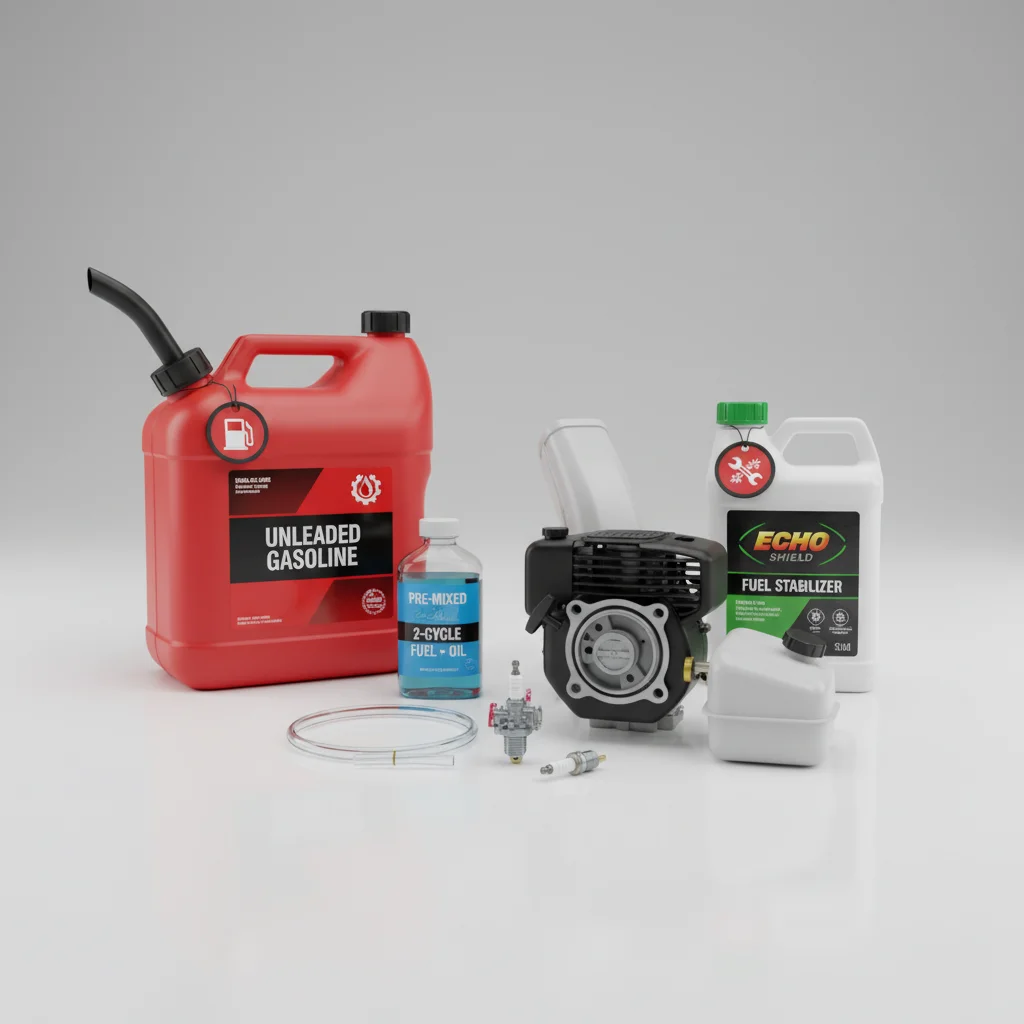
Choosing the right fuel type for your snow blower is crucial for optimal performance and longevity. For most modern gas-powered snow blowers, regular unleaded gasoline with an octane rating of 87 is the best choice. However, understanding the nuances of ethanol content, fuel stabilizers, and two-stroke versus four-stroke engines will ensure your machine runs smoothly through every winter.
Understanding Gasoline for Four-Stroke Snow Blowers
Most snow blowers today, especially two-stage and three-stage models, utilize four-stroke engines. These engines require straight gasoline, not a gas-oil mix. The primary concern with gasoline is its ethanol content. Ethanol can attract water and corrode fuel system components over time, leading to starting issues and engine damage. It’s highly recommended to use gasoline with an ethanol content of 10% or less (E10 or lower). Some manufacturers even recommend ethanol-free gasoline if available, though it can be harder to find and more expensive. For complete snow blower library on this site.
Always check your snow blower’s owner’s manual for specific fuel recommendations. Using a higher octane than recommended typically offers no performance benefit and can sometimes even be detrimental. Conversely, using a lower octane than specified can lead to engine knocking and damage.
Fuel for Two-Stroke Snow Blowers
While less common in larger snow blowers, some smaller single-stage models and snow shovels still use two-stroke engines. These engines require a pre-mixed blend of gasoline and two-stroke engine oil. The mixing ratio is critical and varies by manufacturer, often specified as 50:1 or 40:1 (gasoline to oil). Using the wrong ratio or straight gasoline will quickly damage a two-stroke engine.
Pre-mixed, canned fuels designed for two-stroke engines are an excellent option as they are ethanol-free and contain stabilizers, ensuring a long shelf life and consistent performance.
The Importance of Fuel Stabilizers
|
Our Picks for the Best Snow Blower in 2026
As an Amazon Associate I earn from qualifying purchases.
|
||
| Num | Product | Action |
|---|---|---|
| 1 | VOLTASK Cordless Snow Shovel, 48V | 13.5-Inch Cordless Snow Blower, Battery Snow Blower with Directional Plate (2 * 24V Battery & Dual Quick Charger Included) |

|
| 2 | EWORK Corded Snow Shovel 11-Inch 1200W 10A Powerful Electric Snow Shovels, 6-Inch Clearing Depth, 23-Foot Max Throw Distance, Power Snow Blower for Driveway, Steps, Sidewalk, Porch |
|
| 3 | Westinghouse WSnow11S AC Corded Electric Snow Shovel, 11-inches Wide with 20 ft. Throwing Distance, Plows 300 lbs/min for Driveway/Steps/Sidewalk/Porch |
|
| 4 | EGO Power+ SNT2110 Peak Power 21-Inch 56-Volt Cordless Snow Blower with Steel Auger Battery and Charger Not Included,Black |
|
| 5 | Cordless Snow Blower(No Battery), Compatible with Dewalt 20V Max Battery, 20" Brushless Snow Thrower with Directional Plate & LED Lights, Electric Snow Blower Ideal for Walkways and Driveways |
|
| 6 | SuperHandy Electric Snow Thrower Walk-Behind Blower Corded AC 120V 15A 18 x 10 Inch Clearing Path 25 Feet Throwing Distance 720 lbs/Min LED Headlights for Driveway Walking Path Yards |
|
| 7 | Westinghouse WSnow13S AC Corded Electric Snow Shovel, 13-inches Wide with 20 ft. Throwing Distance, Plows 300 lbs/min for Driveway/Steps/Sidewalk/Porch |
|
| 8 | Brushless Cordless Electric Snow Shovel for use with Makita 21V Battery, 12” Snow Thrower with Adjustable Direction, Lightweight Snow Removal Tool for Driveway,Patio,Walkways |
|
| 9 | SuperHandy Electric Snow Thrower Adjustable Angle 17" Clearing Width 5.7" Intake Height 23' ft Throw Curved Serrated Blade 48V-2Ah Battery Portable Wheels Easy Maneuver Safety Switches Comfort Handle |
|
| 10 | EGO Power+ Electric Snow Shovel Attachment, Use with Cordless Power Head Multi-Head System, Battery, Charger and Power Head Not Included - SSA1200 |
|
Gasoline begins to degrade within a few weeks, especially when exposed to air. This degradation can lead to gum and varnish deposits in the fuel system, clogging carburetors and fuel lines. A fuel stabilizer is an essential additive, particularly for snow blowers that sit idle for extended periods during the off-season. Adding a stabilizer to every tank of fuel, or at least before long-term storage, can prevent many common starting problems.
When storing your snow blower for the summer, either run the engine until it’s out of fuel or add a fuel stabilizer and run the engine for a few minutes to circulate the treated fuel throughout the system. This simple step can save you significant hassle and repair costs in the spring.
Why Ethanol-Free Fuel is a Smart Choice
Ethanol-free gasoline, while sometimes pricier, offers significant advantages for small engines like those found in snow blowers. It eliminates the risk of ethanol-related corrosion and water absorption, which are common culprits for fuel system failures. If you have access to ethanol-free fuel, it’s often the best long-term choice for preserving your snow blower’s engine and fuel system components.
Consider purchasing ethanol-free fuel from reputable sources, such as marinas or specialty gas stations, if your local options are limited.
Key Fueling Practices for Longevity
- Always consult your snow blower’s owner’s manual for specific fuel requirements.
- Use fresh gasoline, ideally purchased within the last 30 days.
- Opt for gasoline with 10% or less ethanol, or ethanol-free if possible.
- Add a high-quality fuel stabilizer to every tank, especially for storage.
- Never use old or contaminated fuel.
By following these guidelines, you can ensure your snow blower is always ready to tackle the toughest winter conditions, minimizing downtime and extending its operational life.

My husband always handled the snow blower, but now it’s my turn, and I had no idea about the fuel. The explanation about two-stroke versus four-stroke engines was really clear and helped me figure out exactly what my single-stage model needs. No more guessing if I need to mix oil or not!
This was super helpful! I just got a new two-stage snow blower and wasn’t sure if I needed a special fuel. Knowing that regular unleaded 87 octane is usually fine, as long as the ethanol is low, saves me a lot of guesswork. I’m going to grab some fuel stabilizer too, just to be safe for storage.
I always just grabbed whatever gas was cheapest, but after reading about ethanol content, I’m definitely paying more attention. My old snow blower was always a pain to start after sitting for a while, and now I realize it was probably the E15 I was using. Switched to E0 last season and it made a huge difference. Thanks for the detailed breakdown!
Good info on the four-stroke engines. I wish there was a bit more detail on specific brands of fuel stabilizers that are recommended. It’s hard to know which one to pick when there are so many options at the hardware store. My machine still had a little trouble starting this year even with a stabilizer.