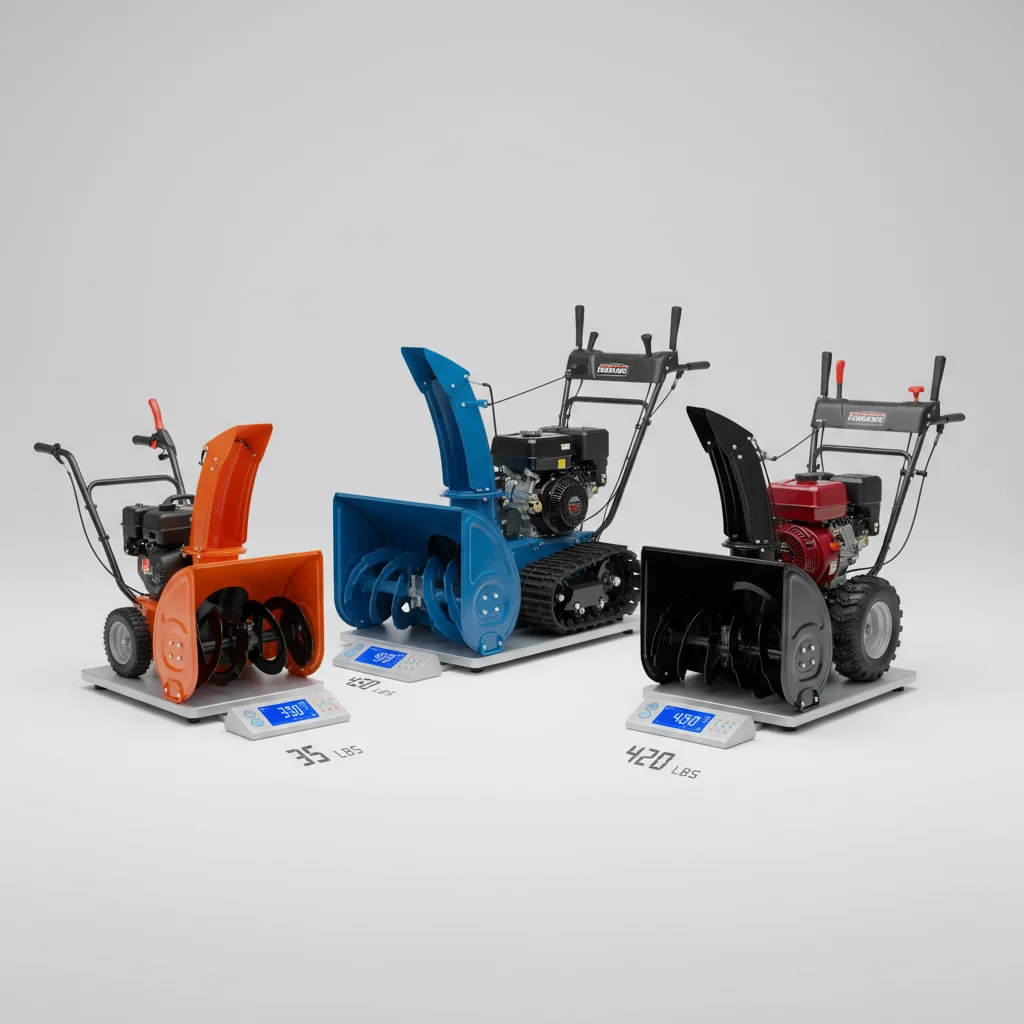
The weight of a snow blower varies significantly, ranging from approximately 15 pounds for a small electric snow shovel to over 300 pounds for a heavy-duty, three-stage gas model. This wide range depends primarily on the type, stage, engine size, and construction materials of the snow blower, impacting its maneuverability and the effort required for operation.
Factors Influencing Snow Blower Weight
Several key factors contribute to the overall weight of a snow blower. Electric snow shovels, designed for light snow and small areas, are the lightest due to their compact size and plastic components. Single-stage electric and gas models are a step up, incorporating more robust materials and larger motors, typically weighing between 30 and 80 pounds. Two-stage snow blowers, built for moderate to heavy snow, feature larger engines, steel augers, and often heavier frames, pushing their weight into the 150 to 250-pound range. Three-stage models, the most powerful and durable, are designed for extreme conditions and can easily exceed 250 pounds, sometimes reaching over 350 pounds with advanced features like power steering and heated grips.
Weight by Snow Blower Type
Understanding the typical weight ranges for different snow blower types can help you choose the right machine for your needs. Electric snow shovels are the lightest, ideal for quick clear-ups on decks and small paths. Single-stage snow blowers, both electric and gas, offer a good balance of power and maneuverability for average driveways. Two-stage models are the workhorses for larger properties and deeper snow, while three-stage snow blowers are reserved for the most demanding tasks, often on very large properties or in areas with frequent heavy snowfall.
- Electric Snow Shovels: 15-30 pounds
- Single-Stage Electric Snow Blowers: 30-60 pounds
- Single-Stage Gas Snow Blowers: 60-85 pounds
- Two-Stage Snow Blowers: 150-250 pounds
- Three-Stage Snow Blowers: 250-350+ pounds
Impact of Weight on Maneuverability and Storage
|
Our Picks for the Best Snow Blower in 2026
As an Amazon Associate I earn from qualifying purchases.
|
||
| Num | Product | Action |
|---|---|---|
| 1 | EGO Power+ SNT2110 Peak Power 21-Inch 56-Volt Cordless Snow Blower with Steel Auger Battery and Charger Not Included,Black |

|
| 2 | EGO Power+ Electric Snow Shovel Attachment, Use with Cordless Power Head Multi-Head System, Battery, Charger and Power Head Not Included - SSA1200 |
|
| 3 | SuperHandy Electric Snow Thrower Walk-Behind Blower Corded AC 120V 15A 18 x 10 Inch Clearing Path 25 Feet Throwing Distance 720 lbs/Min LED Headlights for Driveway Walking Path Yards |
|
| 4 | EWORK Corded Snow Shovel 11-Inch 1200W 10A Powerful Electric Snow Shovels, 6-Inch Clearing Depth, 23-Foot Max Throw Distance, Power Snow Blower for Driveway, Steps, Sidewalk, Porch |
|
| 5 | SuperHandy Electric Snow Thrower Adjustable Angle 17" Clearing Width 5.7" Intake Height 23' ft Throw Curved Serrated Blade 48V-2Ah Battery Portable Wheels Easy Maneuver Safety Switches Comfort Handle |
|
| 6 | Westinghouse WSnow11S AC Corded Electric Snow Shovel, 11-inches Wide with 20 ft. Throwing Distance, Plows 300 lbs/min for Driveway/Steps/Sidewalk/Porch |
|
| 7 | VOLTASK Cordless Snow Shovel, 48V | 13.5-Inch Cordless Snow Blower, Battery Snow Blower with Directional Plate (2 * 24V Battery & Dual Quick Charger Included) |
|
| 8 | Cordless Snow Blower(No Battery), Compatible with Dewalt 20V Max Battery, 20" Brushless Snow Thrower with Directional Plate & LED Lights, Electric Snow Blower Ideal for Walkways and Driveways |
|
| 9 | Brushless Cordless Electric Snow Shovel for use with Makita 21V Battery, 12” Snow Thrower with Adjustable Direction, Lightweight Snow Removal Tool for Driveway,Patio,Walkways |
|
| 10 | Westinghouse WSnow13S AC Corded Electric Snow Shovel, 13-inches Wide with 20 ft. Throwing Distance, Plows 300 lbs/min for Driveway/Steps/Sidewalk/Porch |
|
The weight of a snow blower directly affects how easy it is to push, turn, and store. Lighter models are generally easier to maneuver, making them suitable for users who prefer less physical strain or have uneven terrain. Heavier models, while more powerful, can be challenging to operate without features like self-propulsion or power steering. Storage is another consideration; a heavier machine might require a dedicated shed or garage space, while lighter models can often be hung on a wall or stored in a smaller utility closet. Consider your physical capabilities and storage options before making a purchase.
Choosing the Right Weight for Your Needs
When selecting a snow blower, consider the typical snowfall in your area, the size of the area you need to clear, and your physical strength. If you have a small patio or short driveway and light snow, a lightweight electric snow shovel or single-stage electric model might be perfect. For medium-sized driveways and moderate snow, a single-stage gas or a lighter two-stage model could be ideal. For large properties, heavy snowfall, or steep inclines, a heavier two-stage or three-stage snow blower with self-propulsion will be necessary. Always prioritize safety and ease of use when making your decision.
For those seeking a balance of power and manageable weight, consider models like the, which offers robust performance without being excessively heavy. If you require maximum power for extreme conditions, theprovides superior clearing capabilities, though it comes with a higher weight.
