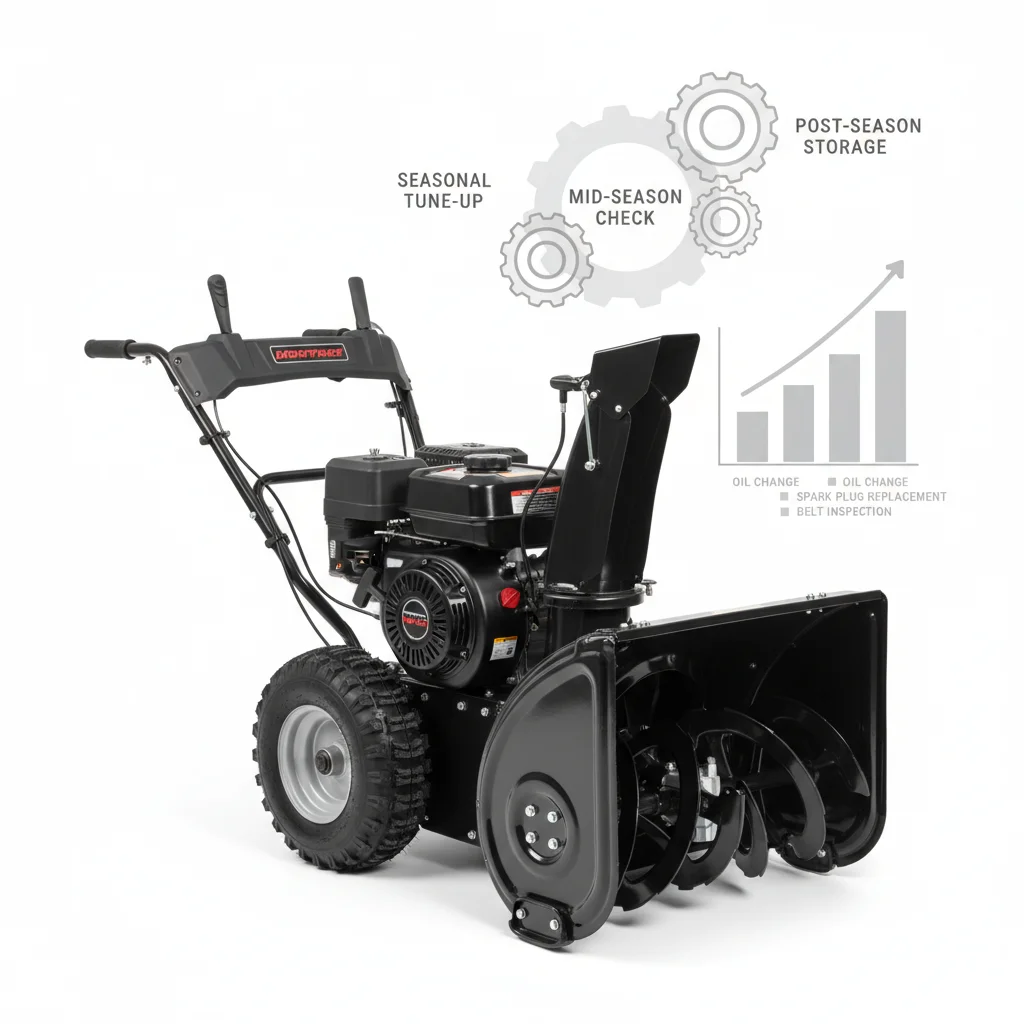
To ensure optimal performance and longevity, you should service your snow blower at least once a year, ideally before the winter season begins. This annual maintenance helps prevent unexpected breakdowns and ensures your machine is ready to tackle heavy snowfalls efficiently. Regular servicing can extend the life of your snow blower by several years.
Why Annual Snow Blower Service is Crucial
Annual servicing isn’t just about fixing problems; it’s about proactive maintenance. Over time, components like spark plugs, belts, and oil can degrade, leading to reduced efficiency and potential damage. A professional tune-up can identify and address these issues before they become major repairs, saving you money and hassle in the long run. It also ensures that safety features are functioning correctly.
Key Components of a Pre-Season Check-Up
A thorough pre-season service typically involves several critical checks and replacements. This includes inspecting the spark plug, changing the oil in 4-cycle engines, checking and replacing belts if worn, lubricating moving parts, and examining the auger and impeller for damage. The fuel system should also be checked for contaminants and the carburetor cleaned if necessary to prevent starting issues.
- Check and replace spark plug for optimal ignition.
- Change engine oil for smooth operation and engine protection.
- Inspect and adjust or replace drive and auger belts.
- Lubricate all moving parts to prevent seizing.
- Examine shear pins, tires, and skid shoes for wear.
When to Consider Mid-Season Maintenance
|
Our Picks for the Best Snow Blower in 2026
As an Amazon Associate I earn from qualifying purchases.
|
||
| Num | Product | Action |
|---|---|---|
| 1 | EWORK Corded Snow Shovel 11-Inch 1200W 10A Powerful Electric Snow Shovels, 6-Inch Clearing Depth, 23-Foot Max Throw Distance, Power Snow Blower for Driveway, Steps, Sidewalk, Porch |

|
| 2 | SuperHandy Electric Snow Thrower Adjustable Angle 17" Clearing Width 5.7" Intake Height 23' ft Throw Curved Serrated Blade 48V-2Ah Battery Portable Wheels Easy Maneuver Safety Switches Comfort Handle |
|
| 3 | EGO Power+ SNT2110 Peak Power 21-Inch 56-Volt Cordless Snow Blower with Steel Auger Battery and Charger Not Included,Black |
|
| 4 | EGO Power+ Electric Snow Shovel Attachment, Use with Cordless Power Head Multi-Head System, Battery, Charger and Power Head Not Included - SSA1200 |
|
| 5 | Cordless Snow Blower(No Battery), Compatible with Dewalt 20V Max Battery, 20" Brushless Snow Thrower with Directional Plate & LED Lights, Electric Snow Blower Ideal for Walkways and Driveways |
|
| 6 | VOLTASK Cordless Snow Shovel, 48V | 13.5-Inch Cordless Snow Blower, Battery Snow Blower with Directional Plate (2 * 24V Battery & Dual Quick Charger Included) |
|
| 7 | Brushless Cordless Electric Snow Shovel for use with Makita 21V Battery, 12” Snow Thrower with Adjustable Direction, Lightweight Snow Removal Tool for Driveway,Patio,Walkways |
|
| 8 | Westinghouse WSnow13S AC Corded Electric Snow Shovel, 13-inches Wide with 20 ft. Throwing Distance, Plows 300 lbs/min for Driveway/Steps/Sidewalk/Porch |
|
| 9 | Westinghouse WSnow11S AC Corded Electric Snow Shovel, 11-inches Wide with 20 ft. Throwing Distance, Plows 300 lbs/min for Driveway/Steps/Sidewalk/Porch |
|
| 10 | SuperHandy Electric Snow Thrower Walk-Behind Blower Corded AC 120V 15A 18 x 10 Inch Clearing Path 25 Feet Throwing Distance 720 lbs/Min LED Headlights for Driveway Walking Path Yards |
|
While annual service is a must, heavy usage or specific issues might warrant mid-season attention. If you notice a significant drop in performance, unusual noises, excessive vibrations, or difficulty starting, it’s wise to have your snow blower inspected. Clearing very wet or icy snow can put extra strain on the machine, potentially accelerating wear on components like shear pins and belts.
Post-Season Storage Preparation
After the winter season, preparing your snow blower for storage is just as important as the pre-season check. This involves stabilizing the fuel or running the engine dry to prevent fuel system issues, cleaning the machine thoroughly, and checking for any damage that might have occurred during the winter. Proper storage prevents rust and keeps the engine in good condition for the next season.
DIY vs. Professional Snow Blower Service
Many basic maintenance tasks, such as checking oil levels, inspecting spark plugs, and lubricating parts, can be performed by a homeowner with some mechanical aptitude. However, more complex tasks like carburetor cleaning, engine diagnostics, or belt replacement might be best left to a professional. Consulting your owner’s manual for recommended service intervals and procedures is always a good starting point to determine what you can handle yourself and when to seek expert help.

This really hit home for me. I had a breakdown last year right in the middle of a huge snowfall, and it was a nightmare. I wish I had known more about proactive maintenance then. Now I understand why getting it serviced before the winter season begins is so crucial to avoid those unexpected breakdowns. My machine is ready this year!
I used to just run my snow blower until something broke, but after reading about the importance of annual maintenance, I took it in for a pre-season check-up this year. It made a huge difference! The machine started right up and handled the first big snowfall like a champ. Definitely worth getting those spark plugs and belts checked before winter hits.
I’ve always been pretty good about changing the oil, but I never really thought about how much a professional tune-up could help. My old snow blower was starting to sound a bit rough, and I was worried about it dying on me mid-storm. After getting it serviced, it runs so much smoother and I feel a lot more confident it’ll last through another heavy snow season.
I agree that annual servicing is important for longevity, but finding a reliable service center can be a pain. I tried to do some of the checks myself, like looking at the safety features, but I’m not super mechanical. It would be great if there were more clear guides on what to look for specifically, beyond just ‘check safety features’.