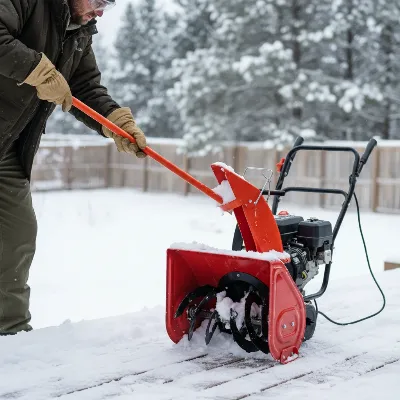
As a seasoned technician with over a decade of hands-on experience with snow blowers, I’ve seen countless machines brave the harshest winters. While these powerful tools are built to last, their longevity and performance heavily depend on one crucial, yet often overlooked, task: regular oil changes. Neglecting this simple maintenance can transform a reliable snow-clearing workhorse into a sputtering, prematurely worn-out machine. This guide will walk you through every step of changing the oil in your 4-cycle snow blower, ensuring it runs efficiently and reliably for many winters to come.
Understanding Your Snow Blower’s Engine Oil
A 4-cycle snow blower, much like your car, relies on engine oil to lubricate its moving parts, reduce friction, dissipate heat, and prevent corrosion. Unlike 2-cycle engines, which mix oil with fuel, 4-cycle engines have a separate oil reservoir. This dedicated lubrication system is robust, but the oil inside it degrades over time and with use, accumulating contaminants and losing its protective properties.
Regular oil changes are not just a recommendation; they are crucial for extending the life of your snow blower’s engine. Old, dirty oil increases wear and tear on critical components, leading to decreased performance, higher fuel consumption, and eventually, costly repairs or even engine failure. By replacing the oil annually, or after a specific number of operating hours as recommended in your owner’s manual, you ensure your engine always has fresh, clean lubrication, ready to tackle heavy snowfall. Always consult your snow blower’s manual for the specific type and quantity of oil recommended – typically, these are small engine oils designed for cold weather operation, such as 5W-30 or 0W-30.
Essential Tools and Materials
Before you begin, gathering all the necessary tools and materials will make the oil change process smooth and efficient. Being prepared not only saves time but also reduces the chances of making a mess or overlooking a critical step.
Here’s what you’ll need:
- New Engine Oil: The correct type and quantity as specified in your snow blower’s owner’s manual. Do not guess; the right oil is paramount.
- Oil Drain Pan: A container specifically designed to catch used engine oil.
- Funnel: Essential for cleanly adding new oil to the engine without spills.
- Wrenches/Socket Set: To loosen and tighten the oil drain plug. You might need two crescent wrenches if your drain tube rotates.
- Spark Plug Wrench: To safely disconnect the spark plug wire.
- Shop Towels or Rags: For cleaning up spills and wiping parts.
- Cardboard or Old Newspaper: To protect your work surface from oil drips.
- Safety Glasses and Gloves: To protect your eyes and hands from oil and debris.
- Empty Container: For transporting used oil to a recycling center.
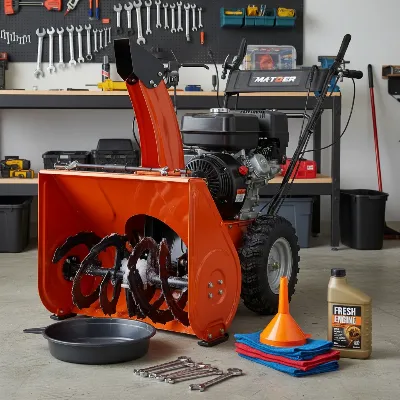 A 4-cycle snow blower ready for an oil change with various tools and fresh oil laid out beside it, emphasizing preparedness.
Step-by-Step Oil Change Process
Changing the oil in your 4-cycle snow blower is a straightforward task that can be completed in under an hour. Follow these steps carefully to ensure a successful and mess-free oil change.
Preparation and Safety First
Table is empty.Safety should always be your top priority. Begin by parking your snow blower on a level surface in a well-ventilated area, away from any flammable materials. It’s often helpful to place a large piece of cardboard or old newspapers beneath the machine to catch any accidental spills and protect your driveway or garage floor.
Next, you’ll want to warm up the engine slightly. Start the snow blower and let it run for approximately 2 to 4 minutes. This warms the oil, making it less viscous and allowing it to drain more completely and quickly. After warming it up, shut off the engine and allow it to cool for about 5 minutes. The engine should be warm, but not so hot that it’s unsafe to touch. Crucially, disconnect the spark plug wire from the spark plug. This prevents the engine from accidentally starting while you’re working on it, offering peace of mind and significantly enhancing safety.
Draining the Old Oil
With your safety precautions in place, it’s time to remove the old, dirty oil. Locate the oil drain plug, which is typically found at the lower rear of the engine, often appearing as a horizontal metal tube with a cap or plug at its end. Some models may have the drain spout on the side, just above a wheel.
Position your oil drain pan directly beneath the drain plug. If your snow blower has a drain tube that extends outwards, ensure the pan is positioned to catch the oil stream. Using your wrench, carefully loosen the drain plug. For drain tubes that can rotate, you might need two wrenches – one to hold the tube steady and another to turn the plug counter-clockwise. Once loose, remove the plug completely and allow the old oil to drain into the pan. To ensure every last drop of old oil is removed, you can carefully tilt the snow blower backward or to the side, maintaining stability throughout the process. Observe the old oil; if it appears very dark or has a milky, cloudy consistency, it indicates water contamination and that the oil was well past due for a change.
Once the oil has completely drained, wipe down the drain tube and the plug with a clean rag to remove any residue. Reinsert the drain plug, first tightening it by hand, then snugging it up with your wrench. Be careful not to overtighten, as this can strip the threads and cause future leaks. Finally, transfer the used oil from the drain pan into a sealed, empty container for proper disposal. Never pour used engine oil down drains or into the trash; most auto parts stores or local recycling centers accept used oil.
 A person carefully draining dark, used oil from a 4-cycle snow blower engine into an oil drain pan on a protected surface, highlighting the draining process.
Adding Fresh Engine Oil
Now that the old oil is out, it’s time for the new. Locate the oil fill port, which usually has a yellow dipstick cap on top of the engine, often marked with an oil can symbol. Remove the dipstick cap and wipe the dipstick clean with a rag.
Insert a clean funnel into the oil fill port opening. Slowly and carefully pour the new engine oil into the funnel. Refer to your owner’s manual for the exact capacity to avoid overfilling or underfilling. Pour gradually, allowing the oil to settle in the engine. It’s better to add a little less initially and check the level, rather than overfilling.
 A person using a funnel to carefully pour fresh, golden engine oil into the fill port of a 4-cycle snow blower, emphasizing clean oil addition.
Checking the Oil Level
After adding the new oil, remove the funnel and reinsert the dipstick fully into the oil fill port, then remove it again. The oil level should fall between the “MIN” (or “ADD”) and “MAX” (or “FULL”) marks on the dipstick. The new oil will be a clear, amber (honey) color.
If the oil level is too low, add a small amount more, wait a minute for it to settle, and check again. If you’ve accidentally overfilled, you’ll need to drain a small amount of oil out of the drain plug until the level is correct. Operating a snow blower with too much or too little oil can severely damage the engine. Once the oil level is correct, securely replace the dipstick cap.
Troubleshooting Common Issues
While changing snow blower oil is generally straightforward, you might encounter a few minor hiccups. The most common issues include oil spills and incorrect oil levels.
If you spill oil, immediately wipe it up with shop towels. The cardboard you placed underneath the snow blower should contain most of it. For stubborn stains on concrete, kitty litter or absorbent shop granulars can help soak up the oil before scrubbing. If you find you’ve overfilled the engine, carefully loosen the drain plug again and allow a small amount of oil to drain into your pan until the dipstick shows the correct level. Conversely, if the oil level is too low after filling, add oil in small increments, rechecking with the dipstick each time until the optimal level is reached. Patience is key to avoiding these common pitfalls.
Maintenance Schedule and Tips
To keep your 4-cycle snow blower running optimally, establish a routine maintenance schedule. The general recommendation is to change the engine oil once a year, typically at the beginning or end of the snowy season. For heavy users who operate their snow blower for many hours, checking your owner’s manual for a specific hourly interval (e.g., every 25 or 50 hours of operation) is essential.
Beyond oil changes, consider these additional maintenance tips:
- Check the Spark Plug: Inspect and clean the spark plug annually, replacing it if it’s fouled or worn. A healthy spark plug ensures reliable starting and efficient combustion.
- Fuel Stabilizer: Use a fuel stabilizer in your gasoline, especially if the snow blower will be stored for an extended period. This prevents fuel from degrading and clogging the carburetor.
- Air Filter Inspection: Some 4-cycle snow blowers have an air filter. Check it periodically and clean or replace it if it’s dirty, as a clogged filter can impact engine performance.
- Lubricate Moving Parts: Apply grease or oil to any moving components, such as chute rotation mechanisms, to prevent seizing and ensure smooth operation.
Snow Blower Oil Change Checklist
Performing a DIY oil change is easier when you follow a clear sequence. This checklist ensures you don’t miss any critical steps.
| Checklist Item | Description |
|---|---|
| Gather Tools & Materials | New oil (correct type/quantity), drain pan, funnel, wrenches, rags, safety glasses, spark plug wrench, disposal container. |
| Warm Up Engine | Run engine for 2-4 minutes to warm the oil, then let it cool slightly (5 minutes). |
| Disconnect Spark Plug | Remove spark plug wire for safety to prevent accidental starts. |
| Locate Drain Plug | Identify the engine oil drain tube/plug, usually at the lower rear. |
| Drain Old Oil | Place drain pan, remove plug, and tilt the snow blower to ensure all oil drains. |
| Reinstall Drain Plug | Clean plug/tube, hand-tighten, then snug with wrench (avoid overtightening). |
| Add New Oil | Use a clean funnel, pour new oil according to manual’s specifications. |
| Check Oil Level | Use the dipstick, ensuring oil is accurately between MIN and MAX marks. |
| Reconnect Spark Plug | Securely reattach the spark plug wire. |
| Dispose of Used Oil | Transport used oil to an approved recycling center or auto parts store. |
Conclusion
Changing the oil in your 4-cycle snow blower is a fundamental maintenance task that significantly impacts its performance, reliability, and lifespan. By following these DIY steps, you not only save money on professional service but also gain a deeper understanding of your machine. This seemingly simple procedure safeguards your engine against wear and tear, ensuring it’s always ready to clear the heaviest snowfalls with ease. Don’t let a small oversight lead to major problems; make oil changes a regular part of your snow blower maintenance routine. How often do you typically change the oil in your small engines, and have you noticed a difference in performance?
Câu Hỏi Thường Gặp
What type of oil should I use for my 4-cycle snow blower?
Always consult your snow blower’s owner’s manual for the specific oil type and viscosity recommendation. Most 4-cycle snow blowers use an oil formulated for small engines and cold weather, commonly 5W-30 or 0W-30. Using the incorrect oil can harm your engine and void its warranty.
How often should I change the oil in my snow blower?
It is generally recommended to change the oil in your 4-cycle snow blower once per year, typically before the start of the winter season or after every 25 to 50 hours of operation, whichever comes first. Refer to your owner’s manual for the precise maintenance schedule.
Can I use car oil in my snow blower?
While some car oils might have similar viscosities, it’s best to use oil specifically formulated for small engines and the temperature ranges your snow blower operates in. Small engine oils often contain different additive packages suited for the unique demands of a Snow Blower engine. Always stick to the manufacturer’s recommendations.