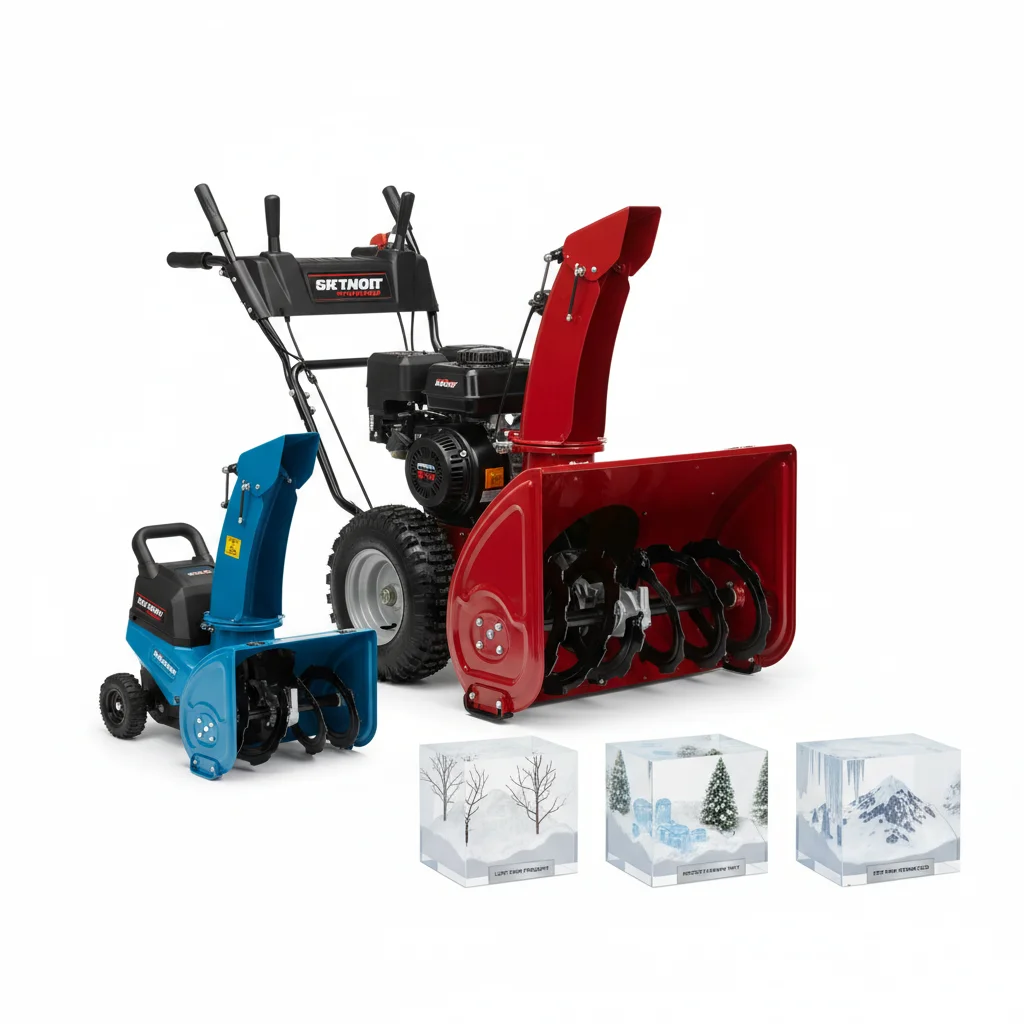
Choosing the right snow blower for your climate involves considering several factors, primarily the average snowfall, typical snow density, and ambient temperatures. For regions experiencing light, fluffy snow (under 6 inches), a single-stage electric or gas snow blower is often sufficient. Areas with moderate, wet snow (6-12 inches) benefit most from a two-stage gas model, while heavy, deep snow (over 12 inches) and icy conditions necessitate a powerful three-stage or track-drive snow blower.
Understanding Snowfall Types and Their Impact
Different climates produce different types of snow, which directly influences the type of snow blower you need. Light, powdery snow, common in colder, drier climates, is easily handled by less powerful machines. This type of snow has a low water content and doesn’t compact easily, making it less demanding on the auger and engine. Conversely, wet, heavy snow, often found in coastal or warmer winter regions, is dense and can quickly clog smaller machines. This snow requires more torque and a robust auger system to effectively clear. For snow blower buying guides on this site.
Single-Stage Snow Blowers for Light Snow and Mild Climates
Single-stage snow blowers are ideal for areas that receive occasional light to moderate snowfall, typically up to 8 inches. These machines use a single auger to scoop and throw snow in one motion. They are lighter, more maneuverable, and generally more affordable. Electric single-stage models are perfect for small driveways and sidewalks, while gas versions offer more power and portability for slightly larger areas. They are not recommended for gravel surfaces as the auger makes contact with the ground.
- Best for: Up to 8 inches of light, fluffy snow.
- Ideal surfaces: Paved driveways, sidewalks, decks.
- Key advantage: Lightweight, easy to store, lower cost.
- Consideration: Not suitable for heavy, wet snow or gravel.
Two-Stage Snow Blowers for Moderate to Heavy Snow
|
Our Picks for the Best Snow Blower in 2026
As an Amazon Associate I earn from qualifying purchases.
|
||
| Num | Product | Action |
|---|---|---|
| 1 | EGO Power+ SNT2110 Peak Power 21-Inch 56-Volt Cordless Snow Blower with Steel Auger Battery and Charger Not Included,Black |

|
| 2 | Westinghouse WSnow13S AC Corded Electric Snow Shovel, 13-inches Wide with 20 ft. Throwing Distance, Plows 300 lbs/min for Driveway/Steps/Sidewalk/Porch |
|
| 3 | SuperHandy Electric Snow Thrower Adjustable Angle 17" Clearing Width 5.7" Intake Height 23' ft Throw Curved Serrated Blade 48V-2Ah Battery Portable Wheels Easy Maneuver Safety Switches Comfort Handle |
|
| 4 | SuperHandy Electric Snow Thrower Walk-Behind Blower Corded AC 120V 15A 18 x 10 Inch Clearing Path 25 Feet Throwing Distance 720 lbs/Min LED Headlights for Driveway Walking Path Yards |
|
| 5 | VOLTASK Cordless Snow Shovel, 48V | 13.5-Inch Cordless Snow Blower, Battery Snow Blower with Directional Plate (2 * 24V Battery & Dual Quick Charger Included) |
|
| 6 | EGO Power+ Electric Snow Shovel Attachment, Use with Cordless Power Head Multi-Head System, Battery, Charger and Power Head Not Included - SSA1200 |
|
| 7 | EWORK Corded Snow Shovel 11-Inch 1200W 10A Powerful Electric Snow Shovels, 6-Inch Clearing Depth, 23-Foot Max Throw Distance, Power Snow Blower for Driveway, Steps, Sidewalk, Porch |
|
| 8 | Westinghouse WSnow11S AC Corded Electric Snow Shovel, 11-inches Wide with 20 ft. Throwing Distance, Plows 300 lbs/min for Driveway/Steps/Sidewalk/Porch |
|
| 9 | Brushless Cordless Electric Snow Shovel for use with Makita 21V Battery, 12” Snow Thrower with Adjustable Direction, Lightweight Snow Removal Tool for Driveway,Patio,Walkways |
|
| 10 | Cordless Snow Blower(No Battery), Compatible with Dewalt 20V Max Battery, 20" Brushless Snow Thrower with Directional Plate & LED Lights, Electric Snow Blower Ideal for Walkways and Driveways |
|
For climates that regularly experience moderate to heavy snowfall, ranging from 8 to 18 inches, a two-stage snow blower is the workhorse of choice. These machines feature an auger that collects snow and feeds it into an impeller, which then powerfully discharges it through the chute. This two-step process allows them to handle denser, wetter snow and clear wider paths. Most two-stage models are gas-powered and come with self-propelled wheels, making them easier to operate on larger properties and inclines.
Three-Stage Snow Blowers for Extreme Winter Conditions
When blizzards and deep, heavy snow are a regular occurrence, a three-stage snow blower offers superior performance. These machines add an accelerator to the two-stage system, which pulverizes snow and ice before it reaches the impeller, significantly increasing throwing distance and clearing speed. They are designed for the toughest conditions, capable of clearing over 18 inches of snow, including icy drifts. While more expensive and heavier, their efficiency in extreme climates is unmatched.
Track-Drive Snow Blowers for Steep Hills and Icy Terrain
In climates with steep driveways, uneven terrain, or frequent icy conditions, track-drive snow blowers provide exceptional traction and control. Instead of wheels, these models use rubber tracks, similar to those on a tank, to grip the ground. This feature is invaluable for navigating inclines and maintaining stability on slippery surfaces. While often found on two-stage and three-stage models, the track-drive system is a specific feature that significantly enhances performance in challenging geographical conditions.
