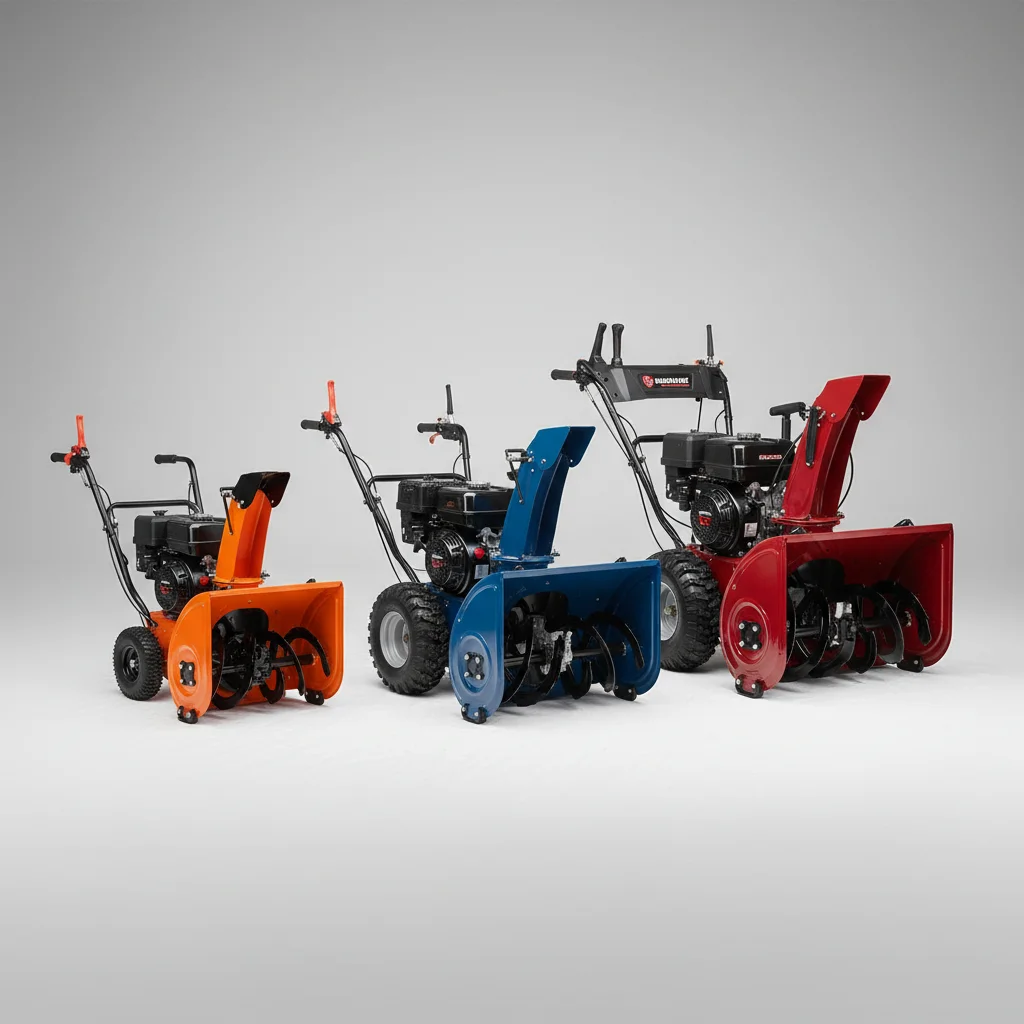
Choosing the right snow blower for your climate involves assessing three key factors: average snowfall depth, typical snow consistency (wet vs. dry), and ambient temperatures. For regions with light, dry snow and infrequent storms, a single-stage electric model is often sufficient. However, areas experiencing heavy, wet snow or frequent blizzards will require a more robust two-stage or even three-stage gas-powered machine to handle the demanding conditions effectively.
Understanding Snowfall Depth and Frequency
The amount of snow your area receives is the most critical factor. If you typically get less than 8 inches of snow per event and only a few times a winter, a single-stage snow blower can easily manage. These machines are lighter, more maneuverable, and ideal for smaller driveways and pathways. For areas with 8-16 inches of snow per storm, a two-stage snow blower is essential. These models have an auger that collects snow and an impeller that throws it, making them much more efficient for moderate to heavy snowfall. Regions consistently hit with over 16 inches of snow or frequent blizzards will benefit most from a powerful three-stage snow blower, designed to clear large volumes of deep, packed snow quickly. For browse all snow blower articles on this site.
Considering Snow Consistency: Wet vs. Dry
Snow consistency plays a significant role in snow blower performance. Light, fluffy snow is easy for almost any snow blower to clear. However, wet, heavy, and slushy snow can clog chutes and bog down less powerful machines. Single-stage snow blowers often struggle with wet snow, as it can stick to the auger and chute. Two-stage and three-stage models, with their more powerful engines and dedicated impellers, are much better equipped to handle dense, wet snow without constant clogging. Look for models with wider chutes and anti-clogging systems if wet snow is a common occurrence in your area.
Impact of Ambient Temperatures on Performance
|
Our Picks for the Best Snow Blower in 2026
As an Amazon Associate I earn from qualifying purchases.
|
||
| Num | Product | Action |
|---|---|---|
| 1 | Westinghouse WSnow13S AC Corded Electric Snow Shovel, 13-inches Wide with 20 ft. Throwing Distance, Plows 300 lbs/min for Driveway/Steps/Sidewalk/Porch |

|
| 2 | EGO Power+ Electric Snow Shovel Attachment, Use with Cordless Power Head Multi-Head System, Battery, Charger and Power Head Not Included - SSA1200 |
|
| 3 | Westinghouse WSnow11S AC Corded Electric Snow Shovel, 11-inches Wide with 20 ft. Throwing Distance, Plows 300 lbs/min for Driveway/Steps/Sidewalk/Porch |
|
| 4 | EGO Power+ SNT2110 Peak Power 21-Inch 56-Volt Cordless Snow Blower with Steel Auger Battery and Charger Not Included,Black |
|
| 5 | Cordless Snow Blower(No Battery), Compatible with Dewalt 20V Max Battery, 20" Brushless Snow Thrower with Directional Plate & LED Lights, Electric Snow Blower Ideal for Walkways and Driveways |
|
| 6 | VOLTASK Cordless Snow Shovel, 48V | 13.5-Inch Cordless Snow Blower, Battery Snow Blower with Directional Plate (2 * 24V Battery & Dual Quick Charger Included) |
|
| 7 | Brushless Cordless Electric Snow Shovel for use with Makita 21V Battery, 12” Snow Thrower with Adjustable Direction, Lightweight Snow Removal Tool for Driveway,Patio,Walkways |
|
| 8 | SuperHandy Electric Snow Thrower Walk-Behind Blower Corded AC 120V 15A 18 x 10 Inch Clearing Path 25 Feet Throwing Distance 720 lbs/Min LED Headlights for Driveway Walking Path Yards |
|
| 9 | SuperHandy Electric Snow Thrower Adjustable Angle 17" Clearing Width 5.7" Intake Height 23' ft Throw Curved Serrated Blade 48V-2Ah Battery Portable Wheels Easy Maneuver Safety Switches Comfort Handle |
|
| 10 | EWORK Corded Snow Shovel 11-Inch 1200W 10A Powerful Electric Snow Shovels, 6-Inch Clearing Depth, 23-Foot Max Throw Distance, Power Snow Blower for Driveway, Steps, Sidewalk, Porch |
|
Ambient temperatures affect not only the snow itself but also the performance of your snow blower. In extremely cold climates, gas-powered snow blowers generally start and run more reliably than electric models, especially battery-powered ones, whose battery life can be significantly reduced in freezing conditions. Gas engines are also less affected by the cold, maintaining their power output. For those in milder climates where temperatures rarely drop below freezing, electric snow blowers can be a convenient and environmentally friendly option, offering instant starts and less maintenance. Always consider the typical winter temperatures in your region when making your selection.
Key Features for Different Climates
When selecting a snow blower, certain features become more important depending on your climate. For icy conditions, look for models with serrated augers that can break up compacted snow and ice. Power steering is a valuable feature for larger, heavier machines, making them easier to maneuver in deep snow. Heated handgrips are a luxury that becomes a necessity in frigid temperatures, greatly improving comfort during long clearing sessions. Consider these additional features:
- Electric start for reliable ignition in cold weather.
- Headlights for clearing snow in low-light conditions or early mornings.
- Adjustable chute control for precise snow throwing.
- Track drive systems for superior traction on inclines or slippery surfaces.
- Larger fuel tanks for extended run times in heavy snowfall areas.
Ultimately, the best snow blower for you will be one that matches the specific challenges of your local winter weather. Don’t overbuy if you only get light snow, but certainly don’t underbuy if you face frequent blizzards.Investing in the right machine will save you time, effort, and frustration throughout the winter season.
Maintenance Considerations for Your Climate
Your climate also influences the maintenance schedule and type of care your snow blower will need. In areas with high humidity or frequent freeze-thaw cycles, rust prevention becomes paramount. Regularly clean and dry your machine, and consider applying a rust-inhibiting spray to metal components. For extremely cold climates, using synthetic oil in gas engines can improve cold-weather starting and performance. Always ensure your fuel is fresh and stabilized to prevent issues, especially if your machine sits for extended periods between uses.Proper storage during the off-season, protected from the elements, is crucial regardless of your climate, but even more so in harsh environments to prolong the life of your equipment.

I live in an area that gets pretty consistent 10-12 inch snowfalls, and my old single-stage just wasn’t cutting it anymore. After reading up on the differences, I invested in a two-stage gas-powered model. It handles the heavy, wet snow like a champ and really makes clearing my long driveway so much faster. Definitely worth the upgrade for demanding conditions.
This winter we had a few storms with really light, dry snow, and my new electric single-stage blower was perfect. It’s so much easier to start and maneuver than my neighbor’s big gas one. For my small driveway and typical snowfall under 8 inches, it’s exactly what I needed. I’m really happy with how quiet it is too.
Living in a region that gets frequent blizzards, I knew I needed something serious. The advice about three-stage machines for really heavy snow was spot on. My new one powers through drifts that used to take me hours with a shovel. It’s a beast, but it makes winter so much more manageable. Best investment for my sanity!
I picked up a single-stage electric for my small patio and walkway, thinking it would be enough for our infrequent, light snow. It works fine for that, but we got one surprise storm with about 9 inches of wet snow and it really struggled. It kept clogging and I had to go over the same spots multiple times. Next time, I might consider a small two-stage just for that extra power.