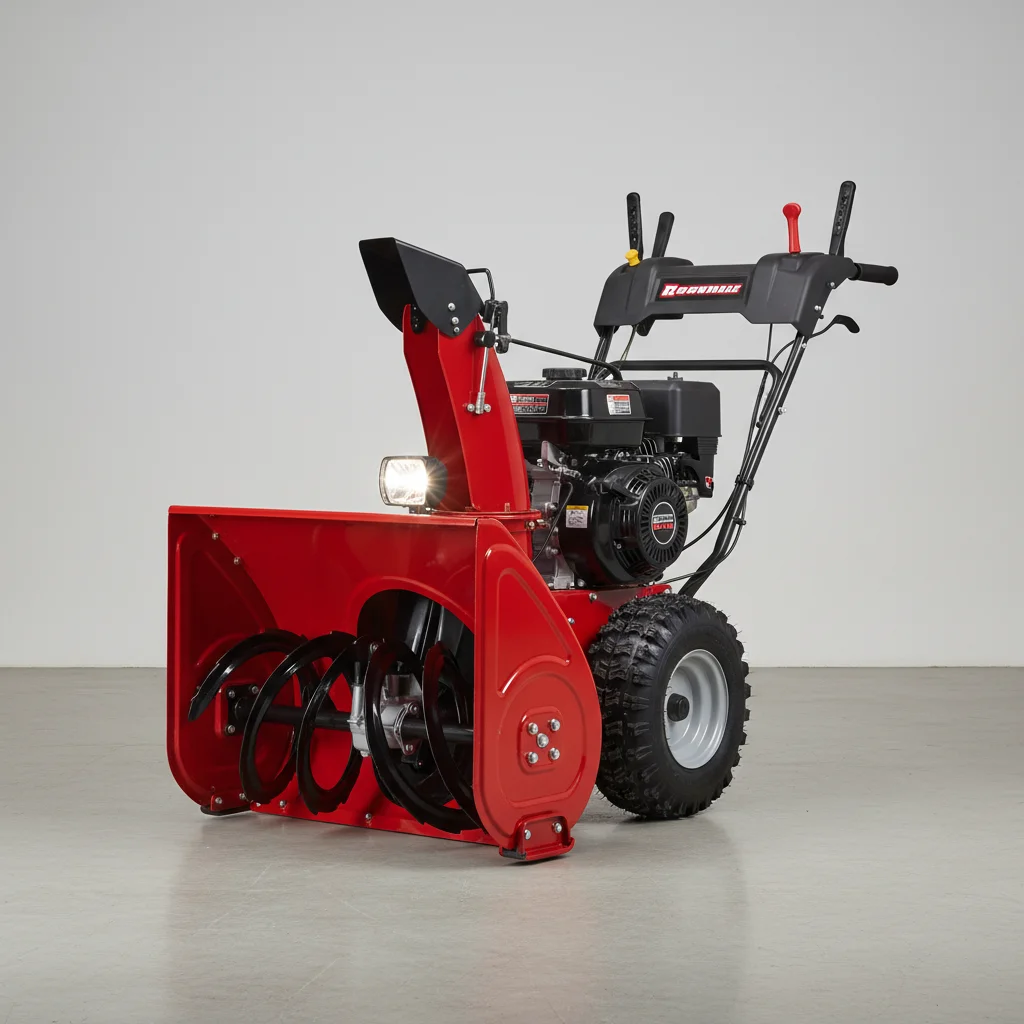
Choosing the right snow blower for a paved driveway involves considering several factors, including the type of snow blower, its clearing width, engine power, and features like adjustable skid shoes. For most paved driveways, a two-stage snow blower is an excellent choice, offering a balance of power and maneuverability without damaging the surface. Single-stage models can also work for lighter snowfalls, while three-stage blowers are often overkill unless you face extremely heavy, wet snow regularly.
Understanding Snow Blower Stages for Paved Surfaces
Snow blowers are categorized by their ‘stages,’ which refer to the number of steps they take to clear snow. Single-stage snow blowers use a single auger to scoop and throw snow. They are typically lighter, more compact, and ideal for light to moderate snowfalls on smaller paved areas. However, their augers often touch the ground, which can wear down the auger over time and potentially scratch delicate paved surfaces if not used carefully. They are generally not recommended for gravel.
Two-stage snow blowers feature an auger that collects snow and feeds it into an impeller, which then powerfully discharges it through the chute. This design means the auger doesn’t typically touch the ground, as the machine rides on skid shoes, making them perfect for paved driveways. They handle moderate to heavy snowfalls and are more versatile than single-stage models.
Three-stage snow blowers add an accelerator to the two-stage system, breaking up and pulverizing even the densest, iciest snow before it reaches the impeller. While incredibly powerful, they are often larger, heavier, and more expensive, making them less necessary for typical paved driveways unless you live in an area with extreme blizzard conditions and very heavy, compacted snow.
Key Features to Look for in a Paved Driveway Snow Blower
|
Our Picks for the Best Snow Blower in 2026
As an Amazon Associate I earn from qualifying purchases.
|
||
| Num | Product | Action |
|---|---|---|
| 1 | EWORK Corded Snow Shovel 11-Inch 1200W 10A Powerful Electric Snow Shovels, 6-Inch Clearing Depth, 23-Foot Max Throw Distance, Power Snow Blower for Driveway, Steps, Sidewalk, Porch |

|
| 2 | SuperHandy Electric Snow Thrower Adjustable Angle 17" Clearing Width 5.7" Intake Height 23' ft Throw Curved Serrated Blade 48V-2Ah Battery Portable Wheels Easy Maneuver Safety Switches Comfort Handle |
|
| 3 | Cordless Snow Blower(No Battery), Compatible with Dewalt 20V Max Battery, 20" Brushless Snow Thrower with Directional Plate & LED Lights, Electric Snow Blower Ideal for Walkways and Driveways |
|
| 4 | SuperHandy Electric Snow Thrower Walk-Behind Blower Corded AC 120V 15A 18 x 10 Inch Clearing Path 25 Feet Throwing Distance 720 lbs/Min LED Headlights for Driveway Walking Path Yards |
|
| 5 | Westinghouse WSnow11S AC Corded Electric Snow Shovel, 11-inches Wide with 20 ft. Throwing Distance, Plows 300 lbs/min for Driveway/Steps/Sidewalk/Porch |
|
| 6 | Westinghouse WSnow13S AC Corded Electric Snow Shovel, 13-inches Wide with 20 ft. Throwing Distance, Plows 300 lbs/min for Driveway/Steps/Sidewalk/Porch |
|
| 7 | EGO Power+ SNT2110 Peak Power 21-Inch 56-Volt Cordless Snow Blower with Steel Auger Battery and Charger Not Included,Black |
|
| 8 | Brushless Cordless Electric Snow Shovel for use with Makita 21V Battery, 12” Snow Thrower with Adjustable Direction, Lightweight Snow Removal Tool for Driveway,Patio,Walkways |
|
| 9 | EGO Power+ Electric Snow Shovel Attachment, Use with Cordless Power Head Multi-Head System, Battery, Charger and Power Head Not Included - SSA1200 |
|
| 10 | VOLTASK Cordless Snow Shovel, 48V | 13.5-Inch Cordless Snow Blower, Battery Snow Blower with Directional Plate (2 * 24V Battery & Dual Quick Charger Included) |
|
When selecting a snow blower for a paved driveway, several features enhance performance and protect your surface. Adjustable skid shoes are crucial; they allow you to set the auger height just above the pavement, preventing scratches. Look for models with durable, non-marking skid shoes, often made of composite materials or heavy-duty plastic, to avoid leaving marks on your driveway.
Engine power, measured in cubic centimeters (cc) for gas models or volts/amps for electric, dictates how effectively the machine can clear deep or wet snow. For most paved driveways in areas with moderate snowfall (6-12 inches), a gas snow blower with an engine between 200cc and 250cc or a powerful cordless electric model (80V or higher) will suffice. For heavier snow, consider a 250cc+ gas engine or a corded electric model if you have a smaller area and access to power.
Clearing Width and Drive System Considerations
The clearing width of a snow blower determines how wide a path it clears with each pass. For smaller paved driveways (up to 50 feet long), a clearing width of 20-24 inches is usually adequate. Medium-sized driveways (50-100 feet) benefit from 24-28 inches, while larger driveways (over 100 feet) may require 28 inches or more to reduce clearing time. Consider the storage space available for wider machines.
Most two-stage snow blowers for paved driveways come with a self-propelled drive system, which significantly reduces the effort required to push the machine. Look for models with multiple forward and reverse speeds to match your pace and the snow conditions. Some advanced models offer power steering, making turns easier, especially on longer or winding driveways.
Maintenance Tips for Paved Driveway Snow Blowers
Proper maintenance ensures your snow blower performs optimally and lasts for many seasons. Here are essential tips:
- Check Skid Shoes Regularly: Inspect skid shoes for wear and adjust them as needed to maintain the correct auger height above your pavement. Replace them if they are excessively worn.
- Inspect Shear Pins: These small pins are designed to break if the auger hits an obstruction, protecting the gearbox. Always have spare shear pins on hand.
- Clean After Each Use: Remove any snow, ice, or debris from the auger, impeller, and chute to prevent freezing and corrosion.
- Store Properly: For gas models, add fuel stabilizer or drain the fuel tank before long-term storage. Store the snow blower in a dry, protected area.
- Regular Oil Changes: For 4-cycle gas engines, change the oil annually or after every 25-50 hours of operation, following the manufacturer’s recommendations.
