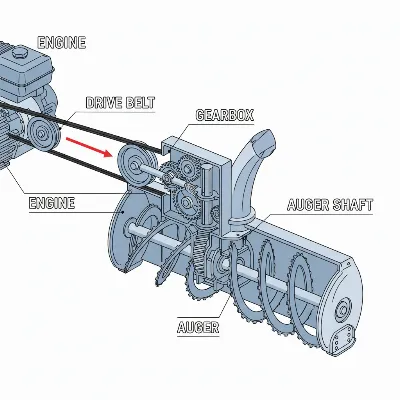
Waking up to a fresh blanket of snow, only to find your gas snow blower stubbornly refuses to start, can quickly turn a winter wonderland into a major headache. Few things are more frustrating than being ready to clear your driveway, only to be met with a silent engine. But before you resort to a shovel or haul your machine to a repair shop, remember that many common starting issues are simple DIY fixes. With a bit of patience and the right approach, you can often diagnose and resolve these problems yourself, getting your snow blower back in action quickly and efficiently. This comprehensive guide will walk you through the essential troubleshooting steps to get your gas snow blower roaring back to life.
Understanding Your Gas Snow Blower’s Starting Needs
A gas-powered snow blower engine, like any internal combustion engine, relies on three fundamental elements to start and run: adequate fuel, a strong spark, and sufficient airflow. If any of these components are compromised, your snow blower will struggle to ignite or fail to start altogether. Common scenarios for starting problems include the beginning of the snow season after a long storage period, or even mid-season if maintenance has been neglected. Understanding these basics is the first step toward effective troubleshooting.
Essential Pre-Checks: The First Steps to Troubleshooting
Before diving into complex diagnostics, always begin with the simplest checks. These initial steps often reveal the culprit and can save you significant time and effort.
Fuel System Fundamentals
The fuel system is often the most common source of starting problems, particularly with gas snow blowers.
-
Old or Stale Fuel: Gasoline begins to degrade and go stale in as little as 30 days, especially if it contains ethanol and is left untreated. This stale fuel can form gummy deposits that clog the fuel lines and carburetor.
- The Fix: If your snow blower has old fuel, drain the tank completely into an approved container. Refill with fresh, high-octane gasoline (typically 87 or higher, as recommended by your manufacturer) and consider adding a high-quality fuel stabilizer. Fuel stabilizer helps prevent fuel degradation and keeps the system clean.
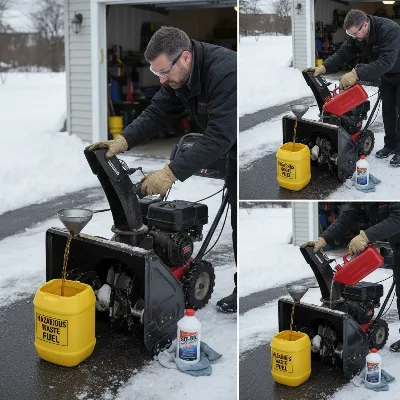 A person carefully draining old fuel from a gas snow blower, then refilling it with fresh, stabilized gasoline, with winter background
 -
Fuel Shut-off Valve: Many gas snow blowers have a fuel shut-off valve located near the fuel tank or carburetor. Ensure this valve is in the “on” or “open” position to allow fuel to flow.
-
Priming Bulb: If your snow blower has a primer bulb, it’s designed to push a small amount of fuel into the carburetor for easier cold starts. Press the primer bulb 2-3 times (or as specified in your manual) before attempting to start the engine, especially in cold weather. Avoid over-priming, as this can flood the engine.
Ignition and Safety Checks
Ensuring all safety features and starting controls are correctly engaged is crucial.
- Ignition Key/Switch: Verify that the ignition key is fully inserted and turned to the “on” position. Some models use a toggle switch instead of a key.
- Choke and Throttle Settings: For a cold start, the choke lever should be set to the “full choke” position. The throttle should typically be in the “fast” or “run” position. Once the engine starts, gradually move the choke to “run.”
- Safety Levers/Handles: Modern snow blowers are equipped with safety levers or handles that must be held down or engaged for the engine to operate. Ensure these are properly depressed.
Common Culprits and Their DIY Fixes
Once the basic checks are covered, it’s time to investigate the more specific components that might be preventing your snow blower from starting.
1. Fuel Delivery Issues
Even with fresh fuel, blockages in the fuel system can prevent gasoline from reaching the engine.
-
Clogged Fuel Filter: A small fuel filter is typically located in the fuel line between the tank and the carburetor. Over time, debris or degraded fuel can clog this filter, restricting fuel flow.
- The Fix: Locate the fuel filter (refer to your owner’s manual if unsure). If it appears dirty or if fuel isn’t flowing freely through it, replace it with a new one. This is usually a straightforward task, requiring basic hand tools.
-
Gummed-Up Carburetor: This is a very common issue, especially if your snow blower sat with untreated fuel. Varnish and deposits from old fuel can clog the tiny jets and passages within the carburetor, preventing the correct fuel-air mixture.
- The Fix: For minor clogs, try spraying carburetor cleaner directly into the carburetor’s intake while the engine is off. Remove the air filter to access the carburetor throat. If this doesn’t work, a full carburetor cleaning or rebuild might be necessary. This involves carefully disassembling the carburetor, cleaning all components with carb cleaner, and replacing any worn gaskets or O-rings. If you’re uncomfortable with this, professional service may be required.
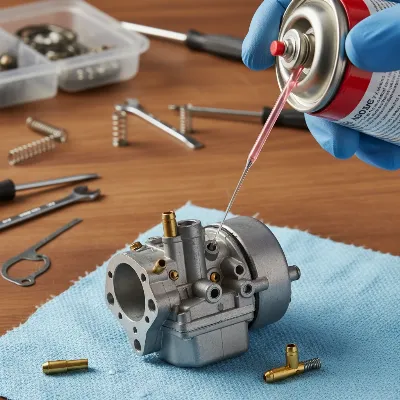 A close-up of a person cleaning a snow blower carburetor with spray, emphasizing precision and detail.
 -
Cracked or Damaged Fuel Lines: Over time, rubber fuel lines can crack, become brittle, or leak. This can lead to air leaks in the system, preventing fuel from being properly drawn to the carburetor.
- The Fix: Visually inspect all fuel lines for signs of cracks, kinks, or leaks. If any damage is found, replace the affected sections with new fuel lines of the correct diameter and material.
2. Ignition System Problems
A lack of spark means the fuel-air mixture cannot ignite, regardless of fuel quality.
-
Faulty or Dirty Spark Plug: The spark plug provides the crucial spark that ignites the fuel. A plug can become fouled with carbon buildup, coated in oil, or simply wear out over time.
- The Fix: Carefully remove the spark plug wire and then the spark plug itself using a spark plug wrench. Inspect the electrode for signs of fouling (dark, oily deposits), cracking, or excessive wear. If it’s dirty, try cleaning it with a wire brush. If it’s wet, it could indicate a flooded engine. If it’s heavily fouled, cracked, or severely worn, replace it with a new spark plug of the correct type and ensure it’s gapped according to your manual’s specifications. Always ensure the spark plug wire is securely reconnected.
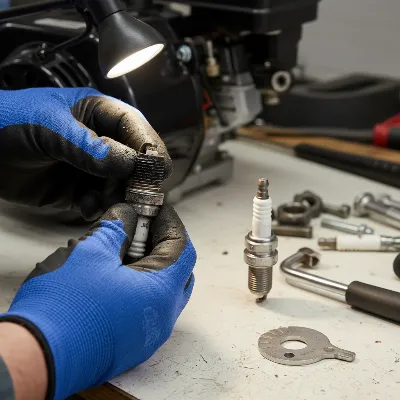 A person inspecting a dirty spark plug from a snow blower, then preparing to install a new one, with focus on tools and hands.
 -
Spark Plug Wire Connection: Ensure the spark plug wire is firmly seated on the spark plug terminal. A loose connection can prevent a consistent spark.
3. Airflow Obstructions
An engine needs air to mix with fuel for combustion. A restricted air supply will cause starting difficulties.
- Dirty Air Filter: While not all snow blowers have elaborate air filters like cars, some do. A clogged air filter restricts the amount of air reaching the carburetor.
- The Fix: Locate and remove the air filter. If it’s dirty, try cleaning it with compressed air or a soft brush. If it’s heavily soiled, damaged, or beyond cleaning, replace it with a new one.
4. Engine Overload & Other Factors
Sometimes the problem isn’t a component failure but an operational issue.
- Flooded Engine: If you’ve pulled the starter cord too many times with the choke on, or excessively primed the bulb, the engine can become flooded with too much fuel.
- The Fix: Wait 10-15 minutes to allow excess fuel to evaporate. Then, try starting the engine without the choke engaged. This helps clear the flooded condition.
- Low or Contaminated Oil: While less common for starting issues, incorrect oil levels or dirty oil can impact engine performance.
- The Fix: Check the oil dipstick. Ensure the oil level is within the recommended range. If the oil is dark, milky, or appears contaminated, consider an oil change. Use the type and viscosity recommended in your snow blower’s manual.
- Recoil Starter Issues: If you use a pull-start model, the recoil starter mechanism itself can fail, with a broken rope or a faulty spring.
- The Fix: Inspect the starter rope for fraying or breakage. If the rope is intact but feels loose or doesn’t retract, the internal spring might be damaged. This repair can be complex and may warrant professional attention unless you’re experienced with small engine mechanics.
- Battery for Electric Start (if applicable): If your snow blower has an electric start feature, a weak or dead battery will prevent it from turning over.
- The Fix: Ensure the battery is fully charged. If it’s a removable battery, bring it indoors to charge in cold weather. If the battery won’t hold a charge, it may need to be replaced.
When to Consider Professional Help
While many snow blower starting problems are DIY-friendly, there are times when calling a professional technician is the best course of action. If you’ve systematically worked through all the above troubleshooting steps and your snow blower still won’t start, or if you encounter issues like a seized engine, persistent electrical problems, or signs of low engine compression, it’s usually time to seek expert assistance. These more complex issues require specialized tools and knowledge to diagnose and repair safely and effectively.
Maintenance Tips to Prevent Future Starting Problems
Prevention is always better than cure. Adopting a few simple maintenance habits can significantly reduce the likelihood of your gas snow blower refusing to start when you need it most.
- End-of-Season Fuel Management: At the end of each snow season, either drain all gasoline from the tank and carburetor or add a high-quality fuel stabilizer to the tank and run the engine for a few minutes to circulate the stabilized fuel through the system before storage. This prevents fuel degradation and carburetor gumming.
- Regular Spark Plug Checks: Inspect your spark plug annually. Clean or replace it as needed to ensure a strong, consistent spark.
- Cleanliness and Proper Storage: Keep your snow blower clean, especially around the engine and air intake. Store it in a dry, covered area to protect it from moisture and pests.
- Pre-Season Tune-Up: Before the first snowfall, perform a quick pre-season check. Start the engine, ensure all controls work smoothly, and check fluid levels. This ensures your snow blower is ready for action.
Conclusion
A gas snow blower that won’t start can be a frustrating challenge, but with a methodical approach, most common issues can be resolved with some basic DIY troubleshooting. By systematically checking your fuel, spark, and airflow, you can often pinpoint the problem, whether it’s stale gasoline, a fouled spark plug, or a clogged carburetor. Regular maintenance, particularly proper fuel management and seasonal inspections, is key to preventing these problems and ensuring your snow blower is always ready to tackle winter’s worst. Don’t let a non-starting snow blower leave you out in the cold—empower yourself with these simple fixes. What steps will you take this season to ensure your snow blower starts reliably every time?
Frequently Asked Questions
How often should I change the spark plug on my snow blower?
It’s generally recommended to inspect and clean your spark plug annually, or at least every 25 hours of operation. Replace it if you notice significant wear, fouling, or if cleaning doesn’t resolve starting issues, typically every 1-2 seasons depending on use.
Can I use car gasoline in my snow blower?
Yes, you can use regular unleaded gasoline from a car in your snow blower, but it’s crucial to use fresh fuel with an octane rating of 87 or higher and ensure it contains no more than 10% ethanol (E10). For optimal performance and to prevent fuel system issues, always use a fuel stabilizer, especially if the fuel will sit for more than a month.
What is fuel stabilizer and why do I need it?
Fuel stabilizer is an additive designed to prevent gasoline from degrading, oxidizing, and forming varnish or gum deposits when stored for extended periods. It’s essential for snow blowers because they often sit unused for many months, and stale, unstabilized fuel is a leading cause of starting problems.
What does a snow blower primer bulb do?
The primer bulb on a Snow Blower is a small, flexible bulb that, when pressed, injects a small amount of fuel directly into the carburetor. This enriches the fuel-air mixture, making it easier for the engine to start, especially in cold conditions.
How do I know if my snow blower’s engine is flooded?
A flooded engine typically smells strongly of gasoline and may struggle to turn over, or it might briefly sputter and then die. The spark plug might also appear wet with fuel when removed. If you suspect flooding, wait 10-15 minutes to allow excess fuel to evaporate before attempting to restart without the choke.