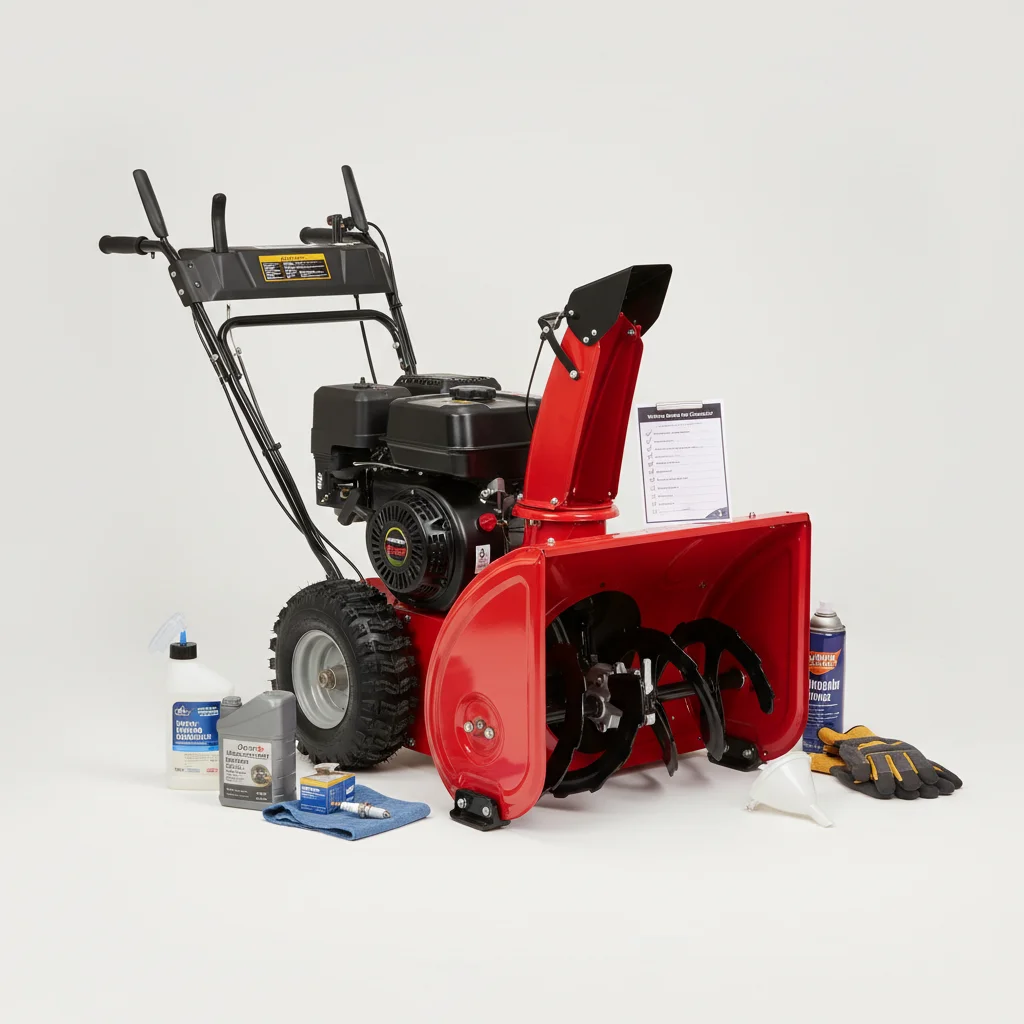
Preparing your snow blower for winter is crucial for reliable performance when the snow starts to fall. A thorough pre-season check can prevent common breakdowns and ensure your machine is ready to tackle even the heaviest snowfalls. There are 7 essential steps to get your snow blower winter-ready, from fluid checks to spark plug inspection.
Check and Change the Oil
Before the first snowflake, inspect your snow blower’s oil level and condition. For 4-cycle engines, it’s recommended to change the oil at least once a season, or every 25 hours of operation. Fresh oil ensures proper lubrication and extends engine life. Refer to your owner’s manual for the correct oil type and capacity. If the oil appears dark or sludgy, it’s definitely time for a change.
Inspect the Spark Plug
A clean, properly gapped spark plug is vital for easy starting and efficient engine operation. Remove the spark plug and examine its condition. If it’s fouled, corroded, or has excessive carbon buildup, replace it. Always use the manufacturer-recommended spark plug type and ensure it’s gapped correctly according to your manual’s specifications. A new spark plug can make a significant difference in cold-weather starting.
Examine Belts and Shear Pins
Belts drive the auger and impeller, while shear pins protect the gearbox from damage if the auger hits an obstruction. Inspect all belts for cracks, fraying, or excessive wear. Replace any belts that show signs of damage. Check your shear pins; ensure you have spares on hand, as they are designed to break under stress. Knowing how to replace them quickly can save you time during a snowfall.
Check Tire Pressure and Skid Shoes
|
Our Picks for the Best Snow Blower in 2026
As an Amazon Associate I earn from qualifying purchases.
|
||
| Num | Product | Action |
|---|---|---|
| 1 | Brushless Cordless Electric Snow Shovel for use with Makita 21V Battery, 12” Snow Thrower with Adjustable Direction, Lightweight Snow Removal Tool for Driveway,Patio,Walkways |

|
| 2 | SuperHandy Electric Snow Thrower Walk-Behind Blower Corded AC 120V 15A 18 x 10 Inch Clearing Path 25 Feet Throwing Distance 720 lbs/Min LED Headlights for Driveway Walking Path Yards |
|
| 3 | EGO Power+ Electric Snow Shovel Attachment, Use with Cordless Power Head Multi-Head System, Battery, Charger and Power Head Not Included - SSA1200 |
|
| 4 | SuperHandy Electric Snow Thrower Adjustable Angle 17" Clearing Width 5.7" Intake Height 23' ft Throw Curved Serrated Blade 48V-2Ah Battery Portable Wheels Easy Maneuver Safety Switches Comfort Handle |
|
| 5 | Westinghouse WSnow11S AC Corded Electric Snow Shovel, 11-inches Wide with 20 ft. Throwing Distance, Plows 300 lbs/min for Driveway/Steps/Sidewalk/Porch |
|
| 6 | Westinghouse WSnow13S AC Corded Electric Snow Shovel, 13-inches Wide with 20 ft. Throwing Distance, Plows 300 lbs/min for Driveway/Steps/Sidewalk/Porch |
|
| 7 | EWORK Corded Snow Shovel 11-Inch 1200W 10A Powerful Electric Snow Shovels, 6-Inch Clearing Depth, 23-Foot Max Throw Distance, Power Snow Blower for Driveway, Steps, Sidewalk, Porch |
|
| 8 | VOLTASK Cordless Snow Shovel, 48V | 13.5-Inch Cordless Snow Blower, Battery Snow Blower with Directional Plate (2 * 24V Battery & Dual Quick Charger Included) |
|
| 9 | EGO Power+ SNT2110 Peak Power 21-Inch 56-Volt Cordless Snow Blower with Steel Auger Battery and Charger Not Included,Black |
|
| 10 | Cordless Snow Blower(No Battery), Compatible with Dewalt 20V Max Battery, 20" Brushless Snow Thrower with Directional Plate & LED Lights, Electric Snow Blower Ideal for Walkways and Driveways |
|
Proper tire pressure is essential for traction, especially on slippery surfaces. Inflate tires to the pressure recommended in your owner’s manual. Uneven tire pressure can cause the snow blower to pull to one side. Also, inspect the skid shoes and scraper blade. These components protect the auger housing and ensure efficient snow removal. Replace them if they are excessively worn to prevent damage to your driveway or the machine itself.
Fuel System Maintenance
If you didn’t drain the fuel or use a stabilizer at the end of the last season, it’s critical to address the fuel system. Old, stale fuel can cause starting problems and damage the carburetor. Drain any old fuel and refill with fresh, stabilized gasoline. Consider adding a fuel stabilizer to every tank during the winter months to prevent fuel degradation and keep the carburetor clean.
Lubricate Moving Parts
Regular lubrication of moving parts prevents rust and ensures smooth operation. Apply grease to the auger shaft, chute rotation mechanism, and any other pivot points specified in your owner’s manual. This will help prevent parts from seizing up in cold, wet conditions and make your snow blower easier to operate.
Final Pre-Winter Checklist
- Check oil level and condition; change if necessary.
- Inspect and replace spark plug if needed.
- Examine belts for wear and have spare shear pins.
- Verify tire pressure and inspect skid shoes/scraper blade.
- Ensure fresh, stabilized fuel is in the tank.
- Lubricate all moving parts.
- Test start the engine to confirm readiness.

This guide was pretty solid for getting my snow blower prepped. I usually just wing it, but going through the 7 essential steps really helped me feel more confident. I paid extra attention to the spark plug inspection, which I often forget. My only minor gripe is that it didn’t specifically mention what type of wrench to use for the spark plug, but that’s a small detail.
I always dread getting my snow blower ready, but this year I followed the checklist for preparing it for winter and it made a huge difference. The tip about checking the oil level and condition was super helpful. My old oil was definitely sludgy, so I changed it out and the machine started right up. Great advice for anyone wanting to avoid breakdowns.
Fantastic resource! I used to have so much trouble getting my snow blower to start after the summer, but this year I went through the whole pre-season check. The detailed steps, especially about fresh oil ensuring proper lubrication, really resonated with me. My machine is running smoother than ever, and I feel ready for whatever winter throws at us.
I tried to follow the advice on preparing my snow blower for winter, especially the part about changing the oil. It was a bit more involved than I expected, and I had trouble finding the right oil type in my manual. The instructions were clear, but I wish there was a quick reference for common oil types for popular brands. My machine is running, but it took me longer than I hoped.