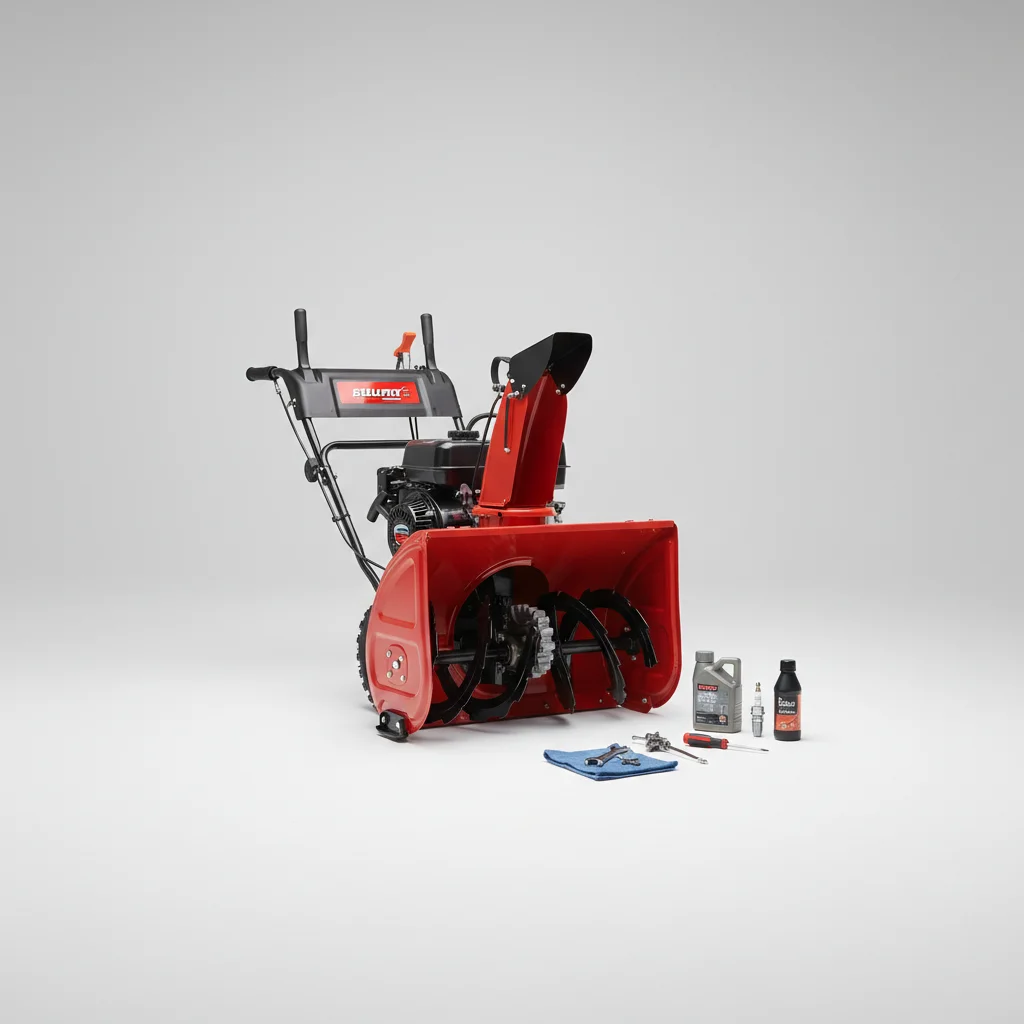
Preparing your snow blower for winter is crucial for reliable operation and can save you from frustrating breakdowns when the snow starts to fall. There are seven essential steps you should follow to ensure your machine is ready to tackle the season’s challenges. This includes checking the fuel, oil, spark plug, and belts, as well as inspecting the auger and tires, and lubricating moving parts. Taking these proactive measures will significantly extend the life of your snow blower and ensure it performs optimally throughout the coldest months.
Fuel and Oil System Check
Start by draining any old fuel from the tank and carburetor. Stale gasoline can cause significant starting and performance issues. Replace it with fresh, stabilized fuel. For four-cycle engines, check the oil level and clarity. If the oil appears dark or sludgy, it’s time for an oil change. Refer to your owner’s manual for the correct oil type and capacity. For two-cycle engines, ensure you’re using the proper fuel-oil mix ratio.
Spark Plug and Air Filter Inspection
A clean, properly gapped spark plug is vital for easy starting and efficient combustion. Remove the spark plug and inspect it for any signs of wear, carbon buildup, or damage. If it’s dirty, clean it with a wire brush; if it’s worn, replace it. While you’re at it, check the air filter. A clogged air filter can restrict airflow, leading to reduced engine performance. Clean or replace the air filter as needed, especially if you operate your snow blower in dusty conditions.
Belt and Auger System Examination
The belts on your snow blower are critical for transferring power to the auger and wheels. Inspect all belts for cracks, fraying, or excessive wear. A loose or damaged belt can slip, reducing performance or causing a complete failure. Replace any belts that show signs of damage. Next, examine the auger blades and scraper bar. These components take a lot of abuse. Look for bent or broken blades, and ensure the scraper bar isn’t excessively worn down. Replace worn scraper bars and shear pins as necessary to maintain optimal snow clearing.
Tire Pressure and Skid Shoe Adjustment
|
Our Picks for the Best Snow Blower in 2026
As an Amazon Associate I earn from qualifying purchases.
|
||
| Num | Product | Action |
|---|---|---|
| 1 | Cordless Snow Blower(No Battery), Compatible with Dewalt 20V Max Battery, 20" Brushless Snow Thrower with Directional Plate & LED Lights, Electric Snow Blower Ideal for Walkways and Driveways |

|
| 2 | EWORK Corded Snow Shovel 11-Inch 1200W 10A Powerful Electric Snow Shovels, 6-Inch Clearing Depth, 23-Foot Max Throw Distance, Power Snow Blower for Driveway, Steps, Sidewalk, Porch |
|
| 3 | EGO Power+ Electric Snow Shovel Attachment, Use with Cordless Power Head Multi-Head System, Battery, Charger and Power Head Not Included - SSA1200 |
|
| 4 | Westinghouse WSnow13S AC Corded Electric Snow Shovel, 13-inches Wide with 20 ft. Throwing Distance, Plows 300 lbs/min for Driveway/Steps/Sidewalk/Porch |
|
| 5 | EGO Power+ SNT2110 Peak Power 21-Inch 56-Volt Cordless Snow Blower with Steel Auger Battery and Charger Not Included,Black |
|
| 6 | VOLTASK Cordless Snow Shovel, 48V | 13.5-Inch Cordless Snow Blower, Battery Snow Blower with Directional Plate (2 * 24V Battery & Dual Quick Charger Included) |
|
| 7 | SuperHandy Electric Snow Thrower Walk-Behind Blower Corded AC 120V 15A 18 x 10 Inch Clearing Path 25 Feet Throwing Distance 720 lbs/Min LED Headlights for Driveway Walking Path Yards |
|
| 8 | Westinghouse WSnow11S AC Corded Electric Snow Shovel, 11-inches Wide with 20 ft. Throwing Distance, Plows 300 lbs/min for Driveway/Steps/Sidewalk/Porch |
|
| 9 | Brushless Cordless Electric Snow Shovel for use with Makita 21V Battery, 12” Snow Thrower with Adjustable Direction, Lightweight Snow Removal Tool for Driveway,Patio,Walkways |
|
| 10 | SuperHandy Electric Snow Thrower Adjustable Angle 17" Clearing Width 5.7" Intake Height 23' ft Throw Curved Serrated Blade 48V-2Ah Battery Portable Wheels Easy Maneuver Safety Switches Comfort Handle |
|
Proper tire pressure is important for traction, especially on slippery surfaces. Check the tire pressure and inflate them to the manufacturer’s recommended PSI. For track-drive models, inspect the tracks for any damage or excessive wear. Skid shoes protect the bottom of your snow blower and allow you to adjust the clearing height. Ensure they are not excessively worn and adjust them to the appropriate height for your driveway surface (e.g., higher for gravel, lower for pavement).
Lubrication and Cable Maintenance
Lubricate all moving parts, including the chute rotation mechanism, control cables, and any pivot points. Use a silicone-based spray or grease as recommended by your owner’s manual. This prevents rust and ensures smooth operation. Inspect all control cables for fraying or damage and ensure they operate freely without sticking. Adjust cable tension if necessary to ensure proper engagement of the auger and drive systems.
Final Operational Check
Once all the maintenance steps are complete, it’s time for a test run. Start your snow blower in a well-ventilated area and let it run for a few minutes. Check for any unusual noises, vibrations, or leaks. Engage the auger and drive system to ensure they are functioning correctly. This final check helps identify any lingering issues before the first snowfall. Consider having a spare set of shear pins and a spark plug on hand for quick repairs during the season.
- Drain old fuel and refill with fresh, stabilized gasoline.
- Change engine oil and inspect the spark plug and air filter.
- Check and replace worn belts, auger blades, and scraper bar.
- Verify tire pressure and adjust skid shoes for optimal clearing.
- Lubricate all moving parts and inspect control cables.
By following these seven steps, you’ll significantly reduce the chances of your snow blower failing when you need it most. Regular preventative maintenance is the key to a long-lasting and reliable machine. Don’t wait until the first blizzard to discover a problem; prepare your snow blower now and enjoy a hassle-free winter.
