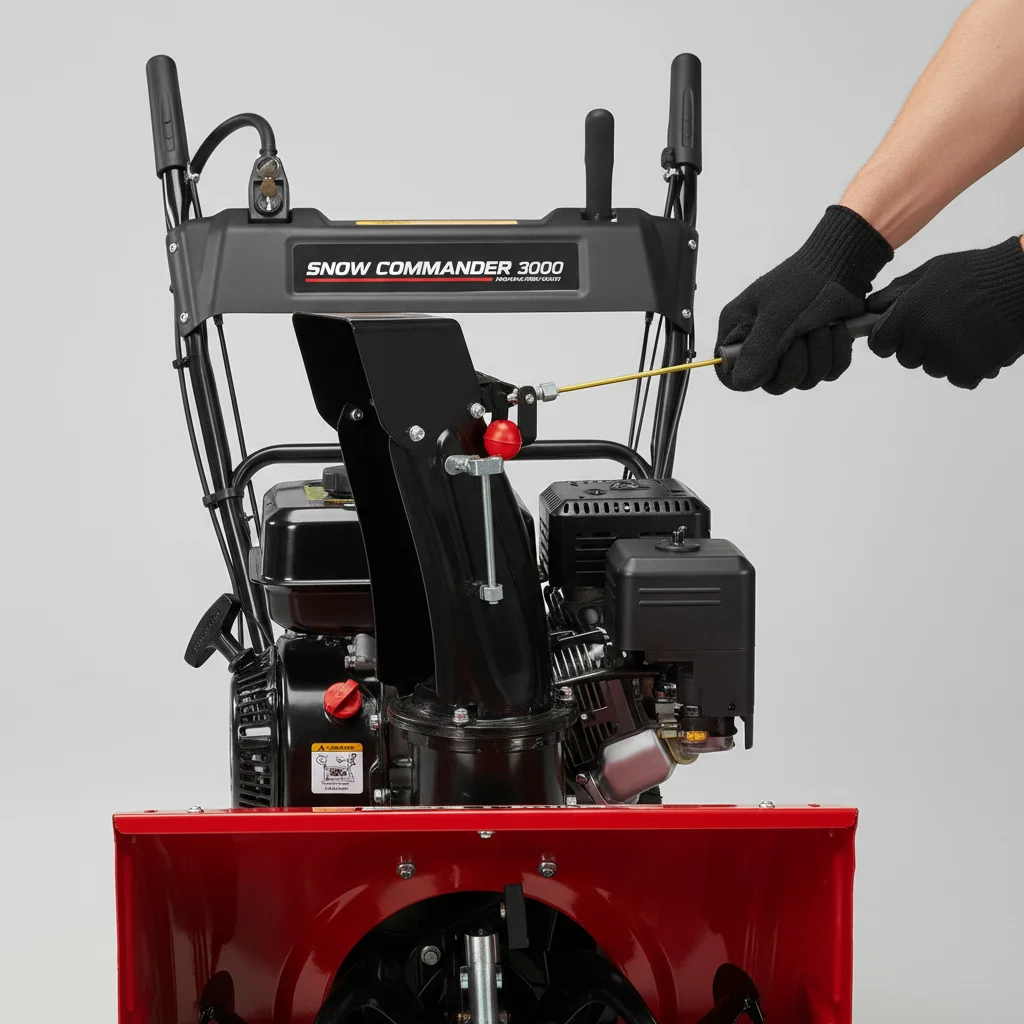
Learning how to start a snow blower effectively can save you a lot of frustration on a cold winter morning. There are typically five key steps to successfully starting most gas-powered snow blowers, ensuring you’re ready to clear snow efficiently. This guide will walk you through the process, from checking fuel levels to engaging the choke, and offer troubleshooting tips for common starting issues.
Pre-Start Checks: Fuel and Oil
Before attempting to start your snow blower, always perform essential pre-start checks. Ensure the fuel tank is filled with fresh, stabilized gasoline. Stale fuel is a common culprit for starting problems. For 4-cycle engines, verify the oil level is within the recommended range on the dipstick. Low oil can prevent the engine from turning over or cause damage. For 2-cycle engines, confirm you’re using the correct fuel-oil mixture as specified by the manufacturer.
Engaging the Choke and Primer
The choke and primer bulb are crucial for cold starts. The choke restricts airflow, creating a richer fuel-to-air mixture necessary for ignition in a cold engine. Move the choke lever to the ‘Full Choke’ position. Next, press the primer bulb three to five times, depending on your model and the ambient temperature. This injects a small amount of fuel directly into the carburetor, aiding in initial combustion. Avoid over-priming, as this can flood the engine.
Starting the Engine: Pull Cord or Electric Start
|
Our Picks for the Best Snow Blower in 2026
As an Amazon Associate I earn from qualifying purchases.
|
||
| Num | Product | Action |
|---|---|---|
| 1 | EWORK Corded Snow Shovel 11-Inch 1200W 10A Powerful Electric Snow Shovels, 6-Inch Clearing Depth, 23-Foot Max Throw Distance, Power Snow Blower for Driveway, Steps, Sidewalk, Porch |

|
| 2 | SuperHandy Electric Snow Thrower Walk-Behind Blower Corded AC 120V 15A 18 x 10 Inch Clearing Path 25 Feet Throwing Distance 720 lbs/Min LED Headlights for Driveway Walking Path Yards |
|
| 3 | SuperHandy Electric Snow Thrower Adjustable Angle 17" Clearing Width 5.7" Intake Height 23' ft Throw Curved Serrated Blade 48V-2Ah Battery Portable Wheels Easy Maneuver Safety Switches Comfort Handle |
|
| 4 | EGO Power+ SNT2110 Peak Power 21-Inch 56-Volt Cordless Snow Blower with Steel Auger Battery and Charger Not Included,Black |
|
| 5 | EGO Power+ Electric Snow Shovel Attachment, Use with Cordless Power Head Multi-Head System, Battery, Charger and Power Head Not Included - SSA1200 |
|
| 6 | Cordless Snow Blower(No Battery), Compatible with Dewalt 20V Max Battery, 20" Brushless Snow Thrower with Directional Plate & LED Lights, Electric Snow Blower Ideal for Walkways and Driveways |
|
| 7 | Westinghouse WSnow13S AC Corded Electric Snow Shovel, 13-inches Wide with 20 ft. Throwing Distance, Plows 300 lbs/min for Driveway/Steps/Sidewalk/Porch |
|
| 8 | Westinghouse WSnow11S AC Corded Electric Snow Shovel, 11-inches Wide with 20 ft. Throwing Distance, Plows 300 lbs/min for Driveway/Steps/Sidewalk/Porch |
|
| 9 | Brushless Cordless Electric Snow Shovel for use with Makita 21V Battery, 12” Snow Thrower with Adjustable Direction, Lightweight Snow Removal Tool for Driveway,Patio,Walkways |
|
| 10 | VOLTASK Cordless Snow Shovel, 48V | 13.5-Inch Cordless Snow Blower, Battery Snow Blower with Directional Plate (2 * 24V Battery & Dual Quick Charger Included) |
|
Once the choke and primer are set, it’s time to start the engine. If your snow blower has an electric start, connect it to a power outlet and press the start button until the engine fires, usually within a few seconds. For manual pull-start models, grip the starter handle firmly and pull it with a smooth, deliberate motion. Do not yank it aggressively. You may need to pull it a few times. As soon as the engine sputters or starts, gradually move the choke lever to the ‘Half Choke’ position, and then to ‘Run’ as the engine warms up.
- Check fuel and oil levels before each use.
- Set the choke to ‘Full Choke’ for cold starts.
- Press the primer bulb 3-5 times, but avoid over-priming.
- Use smooth, consistent pulls on the starter cord.
- Gradually move the choke to ‘Run’ as the engine warms.
Troubleshooting Common Starting Issues
If your snow blower still won’t start, consider these common issues. First, check the spark plug. A fouled or damaged spark plug can prevent ignition. Clean or replace it if necessary. Second, ensure the fuel line isn’t clogged and that fuel is reaching the carburetor. A dirty fuel filter can restrict flow. Third, verify the safety key or kill switch is in the ‘On’ position. Many snow blowers have a safety feature that prevents starting if this is disengaged. Finally, if the engine is flooded from too much priming, turn off the choke, wait a few minutes, and try starting again without priming.
Post-Start Warm-Up and Operation
After your snow blower starts, allow it to warm up for a few minutes before engaging the auger or driving it into deep snow. This allows the engine to reach optimal operating temperature and ensures smooth performance. During this warm-up period, you can gradually move the choke to the ‘Run’ position. Once warmed, you’re ready to tackle the snow. Always refer to your snow blower’s owner’s manual for specific starting procedures and safety guidelines, as models can vary.

This guide was a lifesaver! My old Troy-Bilt was giving me fits last winter, and I couldn’t figure out why it wouldn’t turn over. Turns out, I was totally overlooking the stale fuel issue. Switched to fresh, stabilized gas and it fired right up. Really appreciate the clear steps on checking fuel levels and the importance of fresh gas.
The guide is pretty solid for basic starting, but I wish there was a bit more detail on specific issues for 2-cycle engines. My older Craftsman uses a fuel-oil mixture, and sometimes even with the right mix, it’s a pain. It did remind me to check the oil level more regularly though, which is good.
Excellent step-by-step instructions. I always forget the exact sequence for starting my Honda, especially after it’s been sitting for a while. The reminder about pre-start checks, especially the oil level for 4-cycle engines, is crucial. No more guessing games on a snowy morning!
I found the troubleshooting tips for common starting issues really helpful. My Ariens usually starts fine, but sometimes it just sputters. Following the advice about engaging the choke properly made a big difference. It’s good to have a checklist to go through when it’s cold and you just want to get the job done.