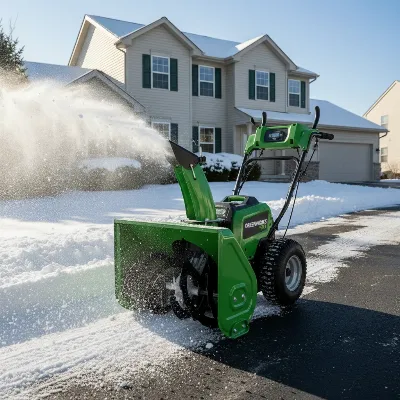
Winter’s embrace often brings with it the daunting task of snow removal, transforming driveways and walkways into formidable landscapes. For homeowners facing regular snowfall, a reliable snow blower isn’t just a convenience; it’s a necessity that saves time, effort, and aching backs. But with countless models on the market, choosing the right machine can feel overwhelming. This comprehensive guide delves into the world of snow blowers, focusing on a popular contender, the Troy-Bilt Storm 2410 Gas Snow Blower, to help you make an informed decision and conquer winter with confidence.
An Overview of Snow Blowers
Snow blowers are power tools designed to clear snow efficiently, offering a significant upgrade from manual shoveling. These machines are broadly categorized by their power source and the number of stages they employ to move snow. Understanding these distinctions is crucial for selecting a model best suited for your specific winter conditions.
Single-stage snow blowers are typically lighter and more compact, using a single auger to both collect and discharge snow. They are ideal for lighter, fluffier snowfalls on paved surfaces, as their auger makes contact with the ground. Two-stage snow blowers, like the Troy-Bilt Storm 2410, feature an auger that collects snow and an impeller that then propels it out of the chute, allowing them to handle deeper, heavier, and even icy snow, often on various surfaces without the auger scraping the ground. Three-stage models take it a step further, adding an accelerator to break down and move even denser, packed snow more rapidly. Power sources range from electric (corded or battery-powered, suitable for smaller tasks and no emissions) to gas-powered, which offer greater power and mobility for larger areas and tougher snow conditions.
Your Ultimate Snow Blower Buying Guide
Navigating the snow blower market requires a clear understanding of your needs and the features that matter most. Investing in the right machine can transform a dreaded chore into a manageable task, ensuring your property remains clear throughout the winter season.
Assess Your Snow Clearing Needs
Table is empty.Before looking at models, consider the specifics of your property and typical snowfall. The size of the area you need to clear, whether it’s a short sidewalk or a multi-car driveway, directly impacts the required clearing width and engine power. The type of snow you commonly experience—light and powdery versus heavy and wet—will influence the necessary stage type and auger design. Finally, the frequency of snowfall in your region will dictate how robust and durable your machine needs to be. For instance, areas with frequent, heavy snowfalls demand a more powerful, two-stage or even three-stage gas model.
Essential Features to Consider
A snow blower’s effectiveness is largely determined by its features. The engine’s power, measured in cubic centimeters (cc), directly correlates with its ability to tackle tough snow. Clearing width (how wide a path it clears) and intake height (how deep a snow layer it can handle) are critical for efficiency. A self-propelled drive system with multiple forward and reverse speeds significantly reduces operator effort. Electric start options are a godsend on cold mornings, eliminating strenuous pull-starts. Additional features like headlights, heated handgrips, and remote chute controls enhance comfort and usability, especially during challenging conditions.
Budgeting for Your Snow Blower
Snow blowers come in a wide price range, from a few hundred dollars for basic electric models to several thousand for heavy-duty professional machines. Single-stage electric and smaller gas models typically fall into the budget-friendly category. Mid-range prices often include two-stage gas blowers with a good balance of features and power, suitable for most homeowners. High-end models feature larger engines, more advanced steering, and premium comfort features. Establishing a maximum budget early will help narrow down your options and focus on models that deliver the best value for your investment, ensuring you get the performance you need without overspending on unnecessary extras.
Deep Dive: Reviewing the Troy-Bilt Storm 2410 Gas Snow Blower Tested
The Troy-Bilt Storm 2410 Gas Snow Blower has positioned itself as a popular choice for homeowners seeking a capable yet affordable two-stage machine. With its robust design and array of features, it aims to deliver effective snow removal without breaking the bank. Our assessment reveals a solid performer for its class, though with some considerations for long-term ownership.
The heart of the Storm 2410 is its 208cc OHV 4-cycle engine, providing ample power to tackle substantial snowfalls. This engine is specifically designed for cold-weather starting, often featuring a convenient electric start that eliminates the hassle of pull-starting in freezing temperatures. With a 24-inch clearing width and a 21-inch intake height, it is well-equipped to handle snow depths up to 12-16 inches. Its 12-inch serrated steel augers are particularly effective, making quick work of heavy, wet snow and even icy patches. The self-propelled drive system, offering six forward and two reverse speeds, coupled with X-Trac tires, ensures impressive traction and maneuverability across various terrains, from flat driveways to slight inclines.
Beyond its core power, the Storm 2410 boasts features that enhance user experience. The remote crank chute control allows for a 180-degree rotation (some models up to 190 degrees), enabling operators to precisely direct snow discharge from the control panel. This eliminates the need to stop and manually adjust the chute, streamlining the clearing process. The inclusion of an auger pick is a thoughtful addition, providing a safe method to clear any clogs that might occur during operation, especially in very dense snow.
> “The Troy-Bilt Storm 2410 offers an impressive balance of power and features for its price point, making it a strong contender for homeowners dealing with moderate to heavy snowfalls.” – Admin, ReviewsImmix.com
However, the Troy-Bilt Storm 2410, like many machines in its category, comes with a few trade-offs. While many users praise its initial performance and ability to clear heavy snow, some report concerns regarding long-term reliability. Common issues have included carburetor problems and difficulties starting after seasonal storage, even with proper winterization. Some users have also noted that certain components, such as the auger turret, could be more robust, potentially requiring replacements over time. Despite these criticisms, its perceived value remains high, especially for those who are comfortable with basic maintenance or appreciate its capabilities as an “entry-level” two-stage option.
In terms of value for money, the Storm 2410 stands out as an affordable choice within the two-stage gas snow blower segment. Its combination of a powerful 208cc engine, electric start, self-propelled drive, and effective clearing capabilities often makes it a top pick for budget-conscious buyers who need more than a single-stage machine can offer. While it may not offer premium features like heated handgrips or advanced power steering found on higher-end models, it delivers solid performance where it matters most: moving snow efficiently.
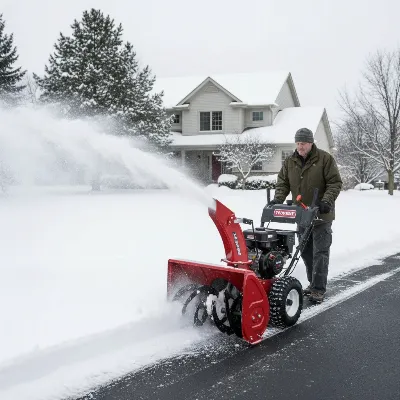 Troy-Bilt Storm 2410 gas snow blower clearing deep snow from a residential driveway, demonstrating its clearing width and powerful throw. The setting is a clear winter day with fresh snow, viewed from a slightly elevated angle.
Troy-Bilt Storm 2410 in the Market: Comparisons and Alternatives
When considering the Troy-Bilt Storm 2410, it’s helpful to see how it stacks up against other snow blowers in its class and what alternatives exist across different price points. Understanding its position helps underscore its value proposition for the right buyer.
Within the segment of 24-inch two-stage gas snow blowers, the Troy-Bilt Storm 2410 often competes with models like the PowerSmart 24-inch two-stage snow blower. While both offer similar clearing widths, self-propelled drives, and electric starts at competitive prices, the Troy-Bilt generally holds a reputation for slightly better engine performance and structural durability in handling consistent, heavier snowfalls. However, some competitors might offer slightly better features for a comparable price, or conversely, the Troy-Bilt might be found at a lower price point, making it an attractive “best for the money” option.
For those willing to invest more, higher-end alternatives like certain models from Cub Cadet, Toro, or even battery-powered options like the EGO Power+ 24-inch two-stage snow blower offer enhanced features. These often include more robust engine designs, advanced steering mechanisms for easier turning, heated handgrips for operator comfort, and brighter LED headlights for night operation. While these come at a higher cost, they address some of the minor durability or convenience shortcomings occasionally noted with more budget-friendly models. Ultimately, the Troy-Bilt Storm 2410 is an excellent mid-tier option that provides strong performance for its cost, making it a practical choice for many homeowners.
Comparison Table: Troy-Bilt Storm 2410 vs. Competitors
To provide a clearer picture, here’s a comparison of the Troy-Bilt Storm 2410 against two common alternatives in the 24-inch two-stage snow blower market.
| Criteria | Troy-Bilt Storm 2410 | PowerSmart DB7109A (Example) | Cub Cadet 2X 24 (Example) |
|---|---|---|---|
| Engine (cc) | 208cc | 212cc | 208cc |
| Clearing Width | 24 inches | 24 inches | 24 inches |
| Intake Height | 21 inches | 20 inches | 21 inches |
| Stages | Two-Stage | Two-Stage | Two-Stage |
| Drive System | Self-propelled | Self-propelled | Self-propelled |
| Speeds (Fwd/Rev) | 6 Forward / 2 Reverse | 4 Forward / 1 Reverse | 6 Forward / 2 Reverse |
| Electric Start | Yes | Yes | Yes |
| Heated Handgrips | No | No | Often available |
| Chute Control | Remote Crank (180-190°) | Remote Crank | Joystick (directional) |
| Avg. Price (New) | $600 – $700 | $600 – $700 | $800 – $1,000 |
| Pros | Good value, strong engine for the price, handles heavy snow well | Affordable, decent power, LED light sometimes included | Robust build, reliable, enhanced steering in some models |
| Cons | Some long-term reliability concerns (carburetor), no premium features | Lighter build quality, less robust in extreme conditions | Higher price point, heavier |
Using and Maintaining Your Snow Blower
Owning a snow blower, particularly a gas-powered one, comes with the responsibility of proper operation and maintenance. Adhering to safety guidelines and regular upkeep will not only ensure your machine performs optimally but also extend its lifespan significantly.
Safe Operation Practices
Safety should always be the top priority when operating a snow blower. Always wear appropriate winter gear, including safety glasses or goggles, sturdy boots with good traction, and hearing protection. Before starting, clear the area of any hidden obstacles like rocks, toys, or debris that could be picked up by the auger and thrown. Never operate the machine near people or pets, and always direct the snow chute away from others. If the chute becomes clogged, turn off the engine and remove the key before using a clean-out tool (like the one often included with the Troy-Bilt Storm 2410) to clear the obstruction. Never use your hands. Always read and understand your owner’s manual for specific safety instructions pertaining to your model.
Routine Maintenance for Longevity
Regular maintenance is key to keeping your Troy-Bilt Storm 2410, or any snow blower, running smoothly season after season. After each use, clear any remaining snow and ice from the auger housing, chute, and impeller to prevent freezing and corrosion. Periodically check and change the engine oil as recommended in your manual, typically after the first few hours of use and then annually. Always use fresh, high-quality gasoline, and consider adding a fuel stabilizer, especially during the off-season, to prevent fuel system issues. Before long-term storage, it’s advisable to run the engine until it’s out of fuel or drain the fuel tank to prevent carburetor clogging. Inspect shear pins, belts, and tires for wear and tear, replacing them as needed. Proper storage in a dry, covered area will also protect your investment from the elements.
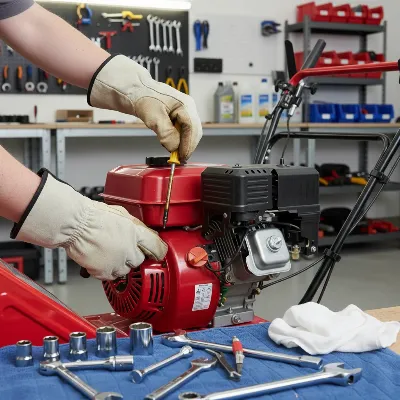 A person in work gloves performing routine maintenance on a snow blower's engine, checking the oil or spark plug. The scene is a well-lit garage, with tools visible, suggesting care and attention to the machine. The focus is on the engine compartment of a gas snow blower.
Conclusion
The Troy-Bilt Storm 2410 Gas Snow Blower emerges as a formidable tool for homeowners in regions experiencing moderate to heavy snowfall. It offers a compelling blend of a powerful 208cc engine, a generous 24-inch clearing width, and user-friendly features like electric start and remote chute control, all at an accessible price point. While some users have noted minor concerns regarding long-term reliability of certain components, its overall performance in clearing challenging snow conditions often outweighs these considerations for budget-conscious buyers. By understanding its capabilities and committing to proper maintenance, the Storm 2410 can be a dependable partner in tackling winter’s demands. Are you ready to make your next snow clearing experience significantly easier?
Frequently Asked Questions
What type of snow is the Troy-Bilt Storm 2410 best suited for?
The Troy-Bilt Storm 2410, a two-stage snow blower, is best suited for clearing moderate to heavy snowfall, including wet, slushy, and even icy snow. Its serrated steel augers and powerful 208cc engine allow it to cut through depths up to 12-16 inches effectively, making it ideal for regions with challenging winter conditions.
Does the Troy-Bilt Storm 2410 come with an electric start?
Yes, the Troy-Bilt Storm 2410 is equipped with a push-button electric start, which is a significant convenience. This feature allows you to start the engine quickly and easily, even in cold temperatures, by simply plugging it into an electrical outlet and pressing a button, eliminating the need for strenuous pull-starts.
How wide a path can the Troy-Bilt Storm 2410 clear?
The Troy-Bilt Storm 2410 has a clearing width of 24 inches and an intake height of 21 inches. This dimension allows it to clear a substantial path with each pass, reducing the number of runs required to clear your driveway or walkway, thereby saving you time and effort.
Can the Troy-Bilt Storm 2410 handle uneven surfaces or gravel driveways?
As a two-stage Snow Blower, the Troy-Bilt Storm 2410 is generally suitable for uneven surfaces and gravel driveways. Unlike single-stage models, its auger typically does not make direct contact with the ground, reducing the risk of picking up gravel. Adjusting the skid shoes is crucial for optimal performance on such surfaces.
What are common maintenance tips for the Troy-Bilt Storm 2410?
Key maintenance tips for the Troy-Bilt Storm 2410 include regularly checking and changing the engine oil, using fresh fuel with a stabilizer, especially for off-season storage, and cleaning the machine after each use. Inspecting shear pins, belts, and tires, and storing it in a dry, protected area, will also prolong its life.