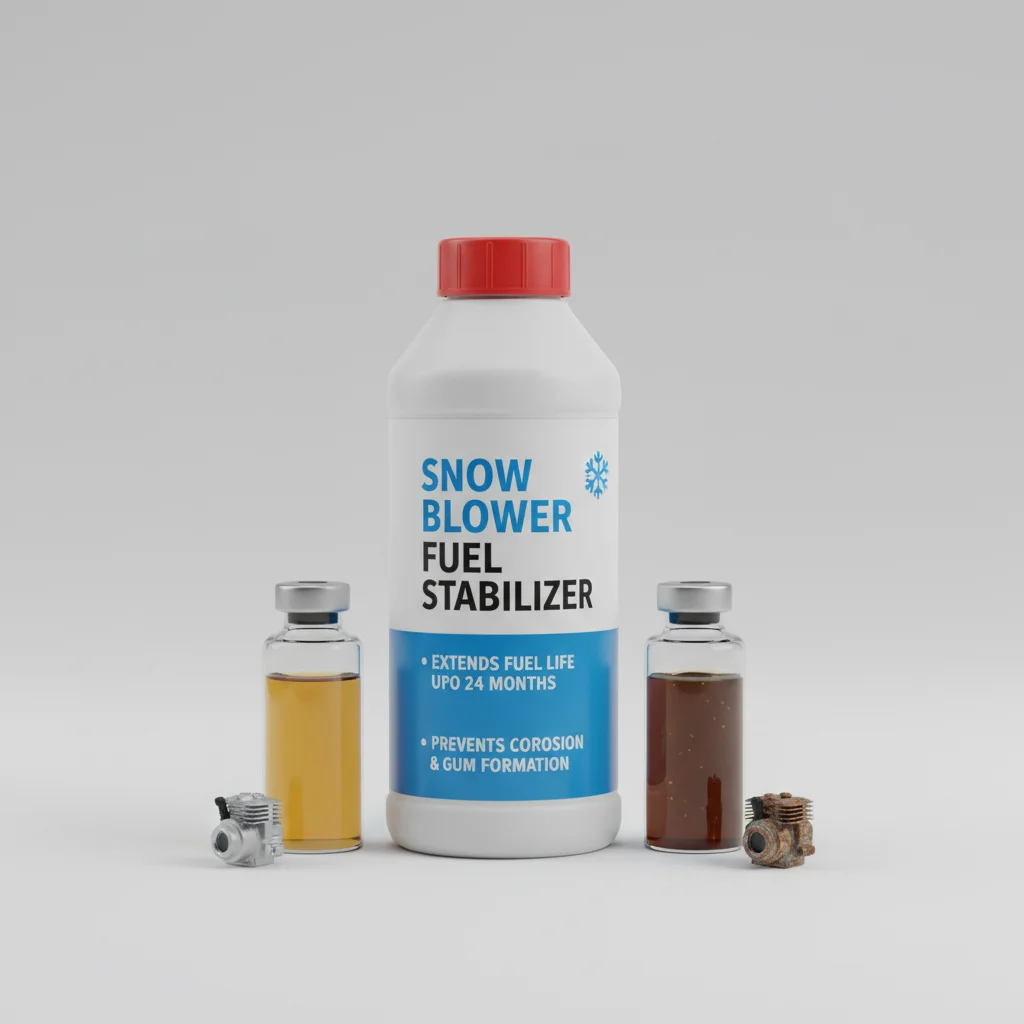
Snow blower fuel stabilizer typically lasts for 12 to 24 months when properly mixed with gasoline and stored in a sealed container. The exact duration depends on the specific product’s formulation and storage conditions. Using a high-quality stabilizer is crucial for preventing fuel degradation, which can lead to carburetor issues and difficult starts after periods of inactivity.
Why Use Fuel Stabilizer in Your Snow Blower?
Fuel stabilizer is essential for snow blowers, especially during off-season storage. Modern gasoline, particularly ethanol-blended fuel, can degrade rapidly, attracting moisture and forming gummy deposits that clog fuel lines and carburetors. Stabilizer works by preventing oxidation and corrosion, keeping the fuel fresh and the engine components clean. This ensures your snow blower starts reliably when winter returns, saving you from costly repairs and frustrating breakdowns.
Factors Affecting Stabilizer Longevity
Several factors influence how long fuel stabilizer remains effective. The type of stabilizer plays a significant role; some formulations offer extended protection up to two years, while others are designed for shorter periods. Storage conditions are equally important: fuel stored in a cool, dark, and tightly sealed container will last longer than fuel exposed to heat, light, and air. Additionally, the age and quality of the gasoline itself can impact the stabilizer’s performance, as older or lower-quality fuel may degrade faster even with treatment.
How to Properly Use Fuel Stabilizer
|
Our Picks for the Best Snow Blower in 2026
As an Amazon Associate I earn from qualifying purchases.
|
||
| Num | Product | Action |
|---|---|---|
| 1 | EGO Power+ Electric Snow Shovel Attachment, Use with Cordless Power Head Multi-Head System, Battery, Charger and Power Head Not Included - SSA1200 |

|
| 2 | SuperHandy Electric Snow Thrower Walk-Behind Blower Corded AC 120V 15A 18 x 10 Inch Clearing Path 25 Feet Throwing Distance 720 lbs/Min LED Headlights for Driveway Walking Path Yards |
|
| 3 | Westinghouse WSnow13S AC Corded Electric Snow Shovel, 13-inches Wide with 20 ft. Throwing Distance, Plows 300 lbs/min for Driveway/Steps/Sidewalk/Porch |
|
| 4 | EGO Power+ SNT2110 Peak Power 21-Inch 56-Volt Cordless Snow Blower with Steel Auger Battery and Charger Not Included,Black |
|
| 5 | Brushless Cordless Electric Snow Shovel for use with Makita 21V Battery, 12” Snow Thrower with Adjustable Direction, Lightweight Snow Removal Tool for Driveway,Patio,Walkways |
|
| 6 | EWORK Corded Snow Shovel 11-Inch 1200W 10A Powerful Electric Snow Shovels, 6-Inch Clearing Depth, 23-Foot Max Throw Distance, Power Snow Blower for Driveway, Steps, Sidewalk, Porch |
|
| 7 | SuperHandy Electric Snow Thrower Adjustable Angle 17" Clearing Width 5.7" Intake Height 23' ft Throw Curved Serrated Blade 48V-2Ah Battery Portable Wheels Easy Maneuver Safety Switches Comfort Handle |
|
| 8 | Cordless Snow Blower(No Battery), Compatible with Dewalt 20V Max Battery, 20" Brushless Snow Thrower with Directional Plate & LED Lights, Electric Snow Blower Ideal for Walkways and Driveways |
|
| 9 | Westinghouse WSnow11S AC Corded Electric Snow Shovel, 11-inches Wide with 20 ft. Throwing Distance, Plows 300 lbs/min for Driveway/Steps/Sidewalk/Porch |
|
| 10 | VOLTASK Cordless Snow Shovel, 48V | 13.5-Inch Cordless Snow Blower, Battery Snow Blower with Directional Plate (2 * 24V Battery & Dual Quick Charger Included) |
|
For optimal results, add fuel stabilizer to your snow blower’s fuel tank before its last use of the season. This allows the treated fuel to circulate through the carburetor and fuel lines, protecting all critical components. Follow the manufacturer’s instructions for the correct mixing ratio, as too little stabilizer will be ineffective, and too much is unnecessary. After adding, run the engine for 5-10 minutes to ensure the treated fuel reaches every part of the fuel system. Then, top off the tank to minimize air space, which reduces condensation.
- Always follow the stabilizer’s mixing ratio instructions.
- Add stabilizer before the last use of the season.
- Run the engine for 5-10 minutes after adding.
- Store treated fuel in a cool, dark, sealed container.
- Consider using non-ethanol fuel for even better storage.
Signs of Degraded Fuel
Even with stabilizer, it’s important to recognize the signs of degraded fuel. Old or unstabilized gasoline can develop a sour or varnish-like smell. It may also appear darker or cloudy, sometimes with visible sediment. If your snow blower is hard to start, runs rough, or stalls frequently after storage, degraded fuel is a likely culprit. In such cases, it’s best to drain the old fuel and replace it with fresh, stabilized gasoline.
Choosing the Right Fuel Stabilizer
When selecting a fuel stabilizer, look for products specifically designed for small engines and ethanol-blended fuels. Brands like STA-BIL, Sea Foam, and Lucas Oil offer popular and effective options. Some stabilizers also include fuel system cleaners, which can help remove existing deposits. Always check the product’s stated shelf life and protection duration to ensure it meets your storage needs. Investing in a quality stabilizer is a small cost that can prevent significant headaches and expenses down the line.
