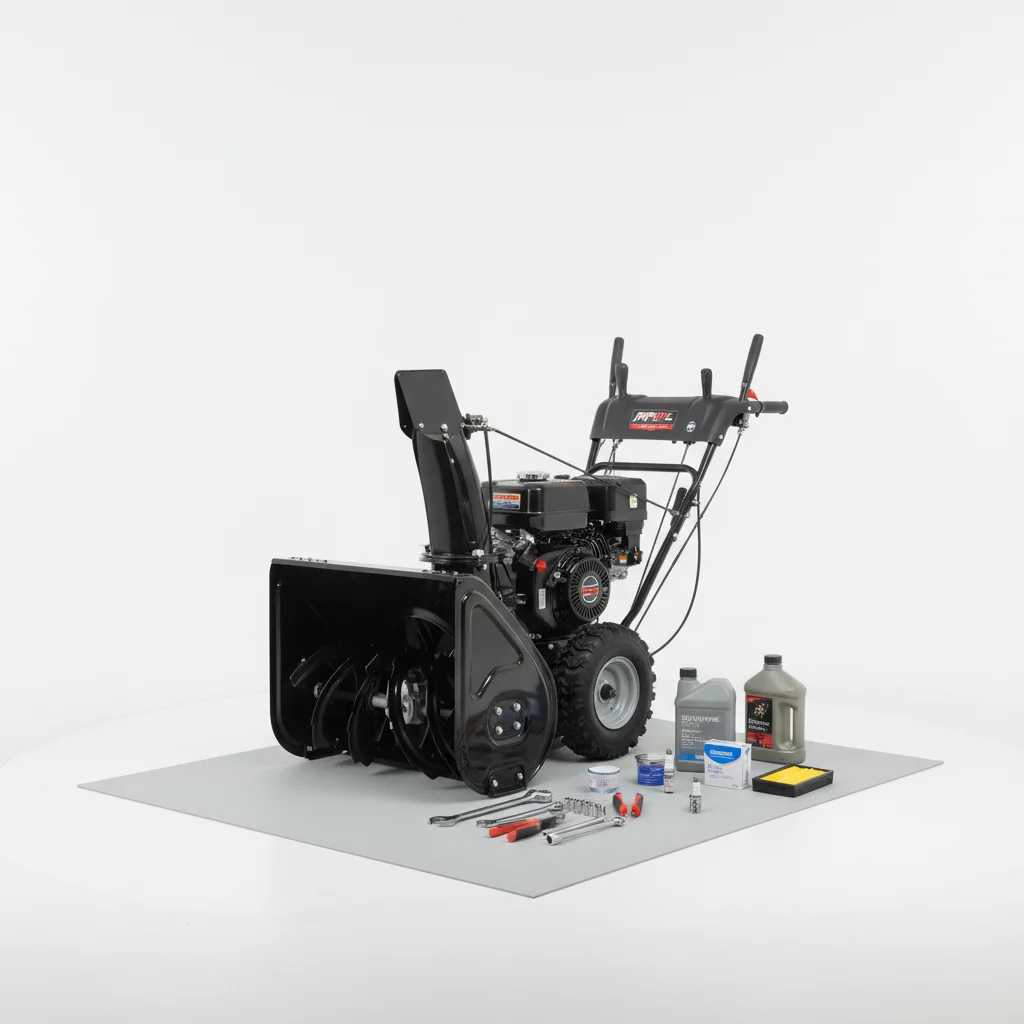
Regular snow blower maintenance is crucial for ensuring your machine operates efficiently and reliably throughout the winter season. Generally, you should service your snow blower at least once a year, ideally before the first snowfall, and perform minor checks before and after each use. This proactive approach helps prevent unexpected breakdowns and extends the lifespan of your equipment.
Pre-Season Snow Blower Checklist
Before the winter season begins, a thorough pre-season check is essential. This involves inspecting the spark plug, air filter, and fuel system. Replace the spark plug annually to ensure optimal ignition. Clean or replace the air filter as needed, especially if you operate in dusty conditions. For the fuel system, drain any old fuel and refill with fresh, stabilized gasoline. Check all belts and cables for wear and tear, and adjust tension if necessary. Lubricate all moving parts, including the auger shaft and chute mechanism, to prevent seizing during operation.
Post-Use and Mid-Season Care
After each use, take a few minutes to clear any snow and ice from the auger, chute, and engine housing. This prevents buildup that can freeze and cause damage. Mid-season, especially after heavy use or particularly harsh conditions, it’s wise to re-check the oil level and top it off if needed. Inspect shear pins for any signs of damage or bending and replace them immediately if compromised. Keep an eye on tire pressure for models with pneumatic tires, ensuring they are inflated to the manufacturer’s recommended PSI for optimal traction.
Annual Service and Storage Preparation
|
Our Picks for the Best Snow Blower in 2026
As an Amazon Associate I earn from qualifying purchases.
|
||
| Num | Product | Action |
|---|---|---|
| 1 | EGO Power+ SNT2110 Peak Power 21-Inch 56-Volt Cordless Snow Blower with Steel Auger Battery and Charger Not Included,Black |

|
| 2 | Westinghouse WSnow13S AC Corded Electric Snow Shovel, 13-inches Wide with 20 ft. Throwing Distance, Plows 300 lbs/min for Driveway/Steps/Sidewalk/Porch |
|
| 3 | Westinghouse WSnow11S AC Corded Electric Snow Shovel, 11-inches Wide with 20 ft. Throwing Distance, Plows 300 lbs/min for Driveway/Steps/Sidewalk/Porch |
|
| 4 | EGO Power+ Electric Snow Shovel Attachment, Use with Cordless Power Head Multi-Head System, Battery, Charger and Power Head Not Included - SSA1200 |
|
| 5 | EWORK Corded Snow Shovel 11-Inch 1200W 10A Powerful Electric Snow Shovels, 6-Inch Clearing Depth, 23-Foot Max Throw Distance, Power Snow Blower for Driveway, Steps, Sidewalk, Porch |
|
| 6 | SuperHandy Electric Snow Thrower Walk-Behind Blower Corded AC 120V 15A 18 x 10 Inch Clearing Path 25 Feet Throwing Distance 720 lbs/Min LED Headlights for Driveway Walking Path Yards |
|
| 7 | Cordless Snow Blower(No Battery), Compatible with Dewalt 20V Max Battery, 20" Brushless Snow Thrower with Directional Plate & LED Lights, Electric Snow Blower Ideal for Walkways and Driveways |
|
| 8 | SuperHandy Electric Snow Thrower Adjustable Angle 17" Clearing Width 5.7" Intake Height 23' ft Throw Curved Serrated Blade 48V-2Ah Battery Portable Wheels Easy Maneuver Safety Switches Comfort Handle |
|
| 9 | Brushless Cordless Electric Snow Shovel for use with Makita 21V Battery, 12” Snow Thrower with Adjustable Direction, Lightweight Snow Removal Tool for Driveway,Patio,Walkways |
|
| 10 | VOLTASK Cordless Snow Shovel, 48V | 13.5-Inch Cordless Snow Blower, Battery Snow Blower with Directional Plate (2 * 24V Battery & Dual Quick Charger Included) |
|
At the end of the winter season, preparing your snow blower for storage is just as important as the pre-season check. This annual service typically includes an oil change, especially for 4-cycle engines, to remove contaminated oil. Stabilize the fuel or run the engine dry to prevent fuel system issues during the off-season. Clean the entire machine thoroughly, removing any dirt, debris, or rust. Apply a light coat of lubricant to metal parts to prevent corrosion. Store your snow blower in a dry, protected area, away from direct sunlight and extreme temperatures.
- Check and replace spark plug annually.
- Clean or replace air filter as needed.
- Drain old fuel and refill with stabilized gasoline.
- Inspect and lubricate all moving parts.
- Change oil at the end of each season.
Why Regular Maintenance Matters
Neglecting regular snow blower maintenance can lead to a variety of problems, from reduced performance to complete mechanical failure. A well-maintained machine starts easier, runs more smoothly, and clears snow more effectively. It also significantly reduces the likelihood of costly repairs. Investing a small amount of time and effort into routine care can save you considerable frustration and expense in the long run, ensuring your snow blower is always ready to tackle winter’s challenges.
For those looking for reliable replacement parts or maintenance kits, consider checking outfor a wide selection of options tailored to various snow blower brands and models. These kits often include essential items like spark plugs, air filters, and fuel stabilizers, making annual maintenance a breeze.
If you’re considering upgrading your snow blower or need specific tools for advanced maintenance tasks,offers a range of high-quality snow blowers and specialized repair tools that can help you keep your equipment in top condition for years to come.

I used to just run my snow blower until it died, but after reading about the importance of annual servicing, I’m a convert. I followed the pre-season checklist, especially draining the old fuel and adding fresh, stabilized gas. My machine started on the first pull this year, which is a huge improvement. Definitely worth the extra effort to keep it running smoothly.
The advice on cleaning the air filter is good, especially since I live in a pretty dusty area. However, I wish there was a bit more detail on how to actually adjust the tension on the belts. I ended up having to look up a separate video for that part. Still, it’s a solid reminder for general upkeep.
This guide is exactly what I needed. I always perform minor checks before and after each use, but I often overlook the bigger annual service. The reminder to lubricate all moving parts was particularly helpful, as I noticed some stiffness last winter. My snow blower feels much more robust now.
Great tips here! I always forget about the spark plug, but replacing it annually makes a lot of sense for optimal ignition. I also made sure to check all the belts and cables for wear and tear before the snow hit. My old blower is still going strong thanks to these maintenance reminders.