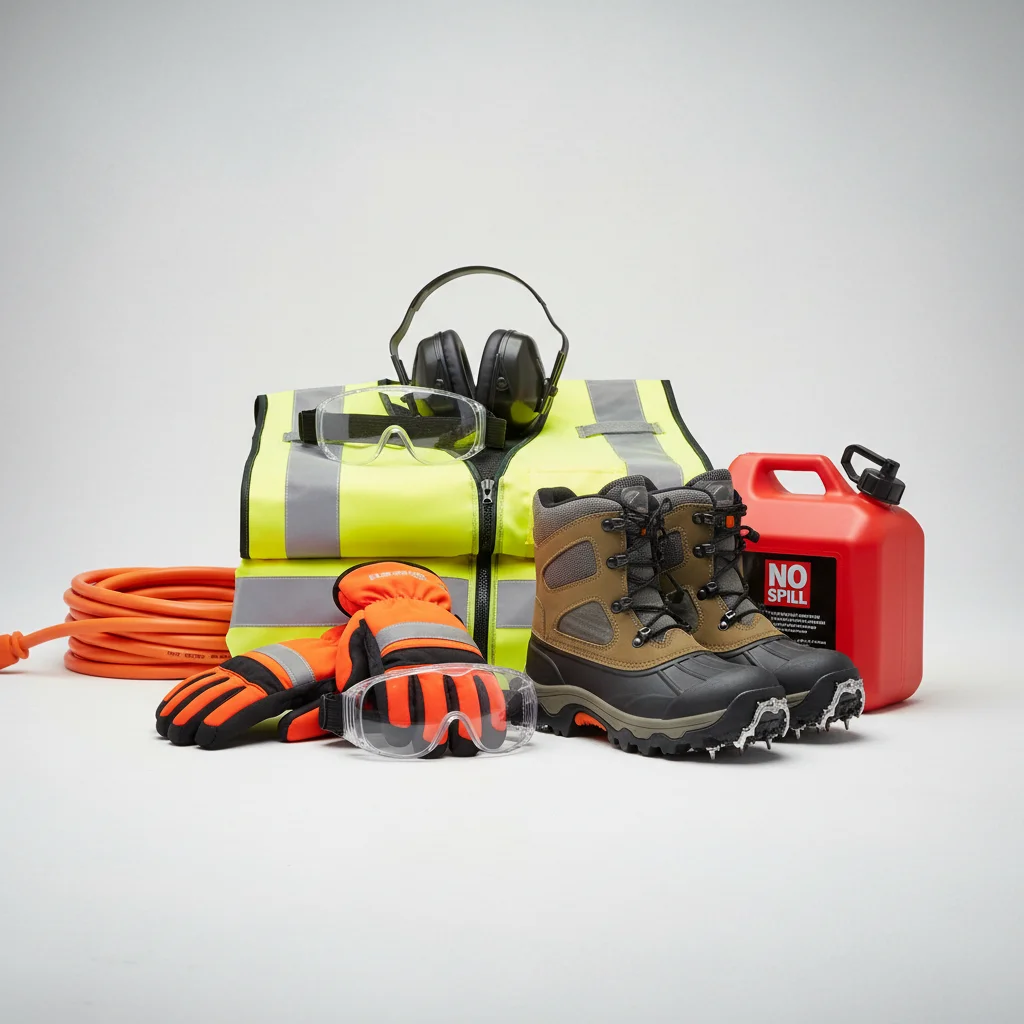
When operating a snow blower, wearing the right safety gear is paramount to prevent injuries. Essential items include sturdy boots, eye protection, hearing protection, and gloves, significantly reducing the risk of accidents during winter snow removal.
Why Safety Gear is Crucial for Snow Blower Operation
Operating a snow blower, while efficient, involves inherent risks. Rotating augers, fast-moving parts, and the potential for thrown debris necessitate proper protection. Each year, thousands of snow blower-related injuries are reported, ranging from minor cuts and bruises to severe amputations and eye damage. Investing in appropriate safety gear is not just a recommendation; it’s a critical measure to safeguard your well-being.
Even experienced operators can encounter unexpected situations, such as hitting hidden objects or experiencing mechanical malfunctions. The right gear acts as your first line of defense, mitigating the impact of such incidents and allowing you to focus on the task at hand with greater confidence.
Essential Safety Gear for Every Snow Blower User
To ensure maximum protection, a comprehensive set of safety gear should always be worn. This includes items designed to protect your head, eyes, ears, hands, and feet from common hazards associated with snow blowing.
- Safety Glasses or Goggles: Protect your eyes from flying snow, ice, rocks, and other debris. Look for models with anti-fog coatings.
- Hearing Protection: Snow blowers can produce noise levels exceeding 100 decibels, which can cause permanent hearing damage over time. Earmuffs or earplugs are essential.
- Heavy-Duty Gloves: Provide a firm grip on controls and protect hands from cold, cuts, and abrasions. Insulated, waterproof gloves are ideal.
- Sturdy, Non-Slip Boots: Offer traction on icy surfaces and protect feet from impact and cold. Steel-toe options add an extra layer of protection.
- Warm, Layered Clothing: Prevents hypothermia and allows for freedom of movement. Avoid loose clothing that could get caught in moving parts.
Choosing the Right Eye and Ear Protection
|
Our Picks for the Best Snow Blower in 2026
As an Amazon Associate I earn from qualifying purchases.
|
||
| Num | Product | Action |
|---|---|---|
| 1 | SuperHandy Electric Snow Thrower Adjustable Angle 17" Clearing Width 5.7" Intake Height 23' ft Throw Curved Serrated Blade 48V-2Ah Battery Portable Wheels Easy Maneuver Safety Switches Comfort Handle |

|
| 2 | Brushless Cordless Electric Snow Shovel for use with Makita 21V Battery, 12” Snow Thrower with Adjustable Direction, Lightweight Snow Removal Tool for Driveway,Patio,Walkways |
|
| 3 | Cordless Snow Blower(No Battery), Compatible with Dewalt 20V Max Battery, 20" Brushless Snow Thrower with Directional Plate & LED Lights, Electric Snow Blower Ideal for Walkways and Driveways |
|
| 4 | EWORK Corded Snow Shovel 11-Inch 1200W 10A Powerful Electric Snow Shovels, 6-Inch Clearing Depth, 23-Foot Max Throw Distance, Power Snow Blower for Driveway, Steps, Sidewalk, Porch |
|
| 5 | VOLTASK Cordless Snow Shovel, 48V | 13.5-Inch Cordless Snow Blower, Battery Snow Blower with Directional Plate (2 * 24V Battery & Dual Quick Charger Included) |
|
| 6 | Westinghouse WSnow13S AC Corded Electric Snow Shovel, 13-inches Wide with 20 ft. Throwing Distance, Plows 300 lbs/min for Driveway/Steps/Sidewalk/Porch |
|
| 7 | EGO Power+ Electric Snow Shovel Attachment, Use with Cordless Power Head Multi-Head System, Battery, Charger and Power Head Not Included - SSA1200 |
|
| 8 | Westinghouse WSnow11S AC Corded Electric Snow Shovel, 11-inches Wide with 20 ft. Throwing Distance, Plows 300 lbs/min for Driveway/Steps/Sidewalk/Porch |
|
| 9 | SuperHandy Electric Snow Thrower Walk-Behind Blower Corded AC 120V 15A 18 x 10 Inch Clearing Path 25 Feet Throwing Distance 720 lbs/Min LED Headlights for Driveway Walking Path Yards |
|
| 10 | EGO Power+ SNT2110 Peak Power 21-Inch 56-Volt Cordless Snow Blower with Steel Auger Battery and Charger Not Included,Black |
|
Your eyes and ears are particularly vulnerable during snow blower operation. For eye protection, choose safety glasses that meet ANSI Z87.1 standards, ensuring they can withstand significant impact. Goggles offer even greater protection by sealing around your eyes, preventing fine snow and dust from entering. For hearing protection, earmuffs with a Noise Reduction Rating (NRR) of at least 25 dB are recommended. Alternatively, high-quality foam earplugs can also be effective, especially when worn correctly.
Consider models that are comfortable for extended wear, as discomfort can lead to distraction and reduced adherence to safety protocols. Many modern safety glasses and earmuffs are designed to be lightweight and adjustable, making them suitable for various users.
Hand and Foot Protection: Grip and Stability
Gloves are not just for warmth; they provide crucial grip on the snow blower’s handles, preventing your hands from slipping, especially in wet conditions. Look for gloves with good insulation and a waterproof or water-resistant outer layer. For foot protection, sturdy boots with deep treads are essential for maintaining balance on slippery surfaces. Avoid sneakers or casual shoes, which offer inadequate grip and protection. Some operators prefer boots with steel toes for added protection against falling objects or accidental contact with the machine.
Proper hand and foot protection also helps to prevent frostbite and maintain dexterity, which is vital for operating controls safely and effectively.
Additional Safety Considerations and Best Practices
Beyond personal protective equipment, always review your snow blower’s owner’s manual for specific safety instructions. Never operate the machine under the influence of alcohol or medication that impairs judgment. Before starting, clear the area of any hidden obstacles like toys, rocks, or branches that could be thrown by the auger. Always direct the discharge chute away from people, pets, and property. If the chute becomes clogged, turn off the engine and wait for all moving parts to stop before attempting to clear it with a clean-out tool, never your hands.
Regular maintenance of your snow blower also contributes to safer operation. Ensure all guards and safety devices are in place and functioning correctly. Check shear pins regularly and replace them if they show signs of wear. A well-maintained machine is less likely to malfunction, reducing the risk of unexpected hazards.

I agree that sturdy boots are essential, but I found the recommendation for heavy-duty gloves a bit much. My hands get really sweaty in the thicker ones, and it makes it harder to grip the controls. I prefer a slightly lighter pair that still offers good protection but allows for more dexterity. Maybe it’s just me.
Great reminder about hearing protection! My old snow blower is pretty loud, and I’ve definitely felt that ringing in my ears after a long session. I picked up some good ear muffs after reading about the risks, and it’s so much more comfortable now. Wish I’d done it sooner.
This was a timely read. I just got a new two-stage snow blower and was thinking about what extra gear I needed. The point about rotating augers and fast-moving parts really drove home the need for proper gloves and boots. I’m glad I invested in quality gear before the first big snowfall.
I used to think I was invincible, but after a close call with a rock last winter, I realized how important eye protection is. The post really hit home about thrown debris. Now I always wear my safety glasses, and it makes a huge difference in my peace of mind when clearing the driveway.