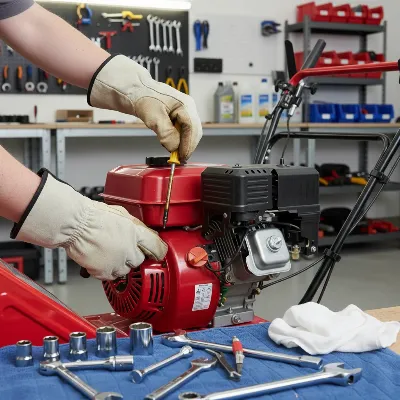
Facing a heavy snowfall only to find your snow blower’s auger refusing to spin can be incredibly frustrating. The auger is the heart of your snow blower, responsible for collecting and feeding snow into the impeller for discharge. When it malfunctions, your snow blower becomes a costly paperweight. Understanding the common culprits behind a non-spinning auger and knowing how to address them can save you time, money, and a lot of manual shoveling. This guide will walk you through the diagnostic process, common fixes, and essential maintenance to keep your machine running smoothly all winter long.
Understanding Your Snow Blower’s Auger System
Before diving into troubleshooting, it’s helpful to grasp how your snow blower’s auger system operates. At its core, the auger is a rotating spiral blade that scoops up snow. This rotation is powered by the engine, typically via a series of belts and pulleys that transfer power to a gearbox, which then turns the auger shaft. Crucially, shear pins are often used to connect the auger to its shaft. These small, sacrificial fasteners are designed to break under excessive strain, protecting the more expensive gearbox and engine from damage if the auger hits a solid object. The auger also requires an engagement mechanism, usually a cable connected to a control lever, to activate its operation. When any part of this intricate system fails, the auger can stop turning, leaving you stranded in the snow.
Common Reasons Your Snow Blower Auger Isn’t Turning
When your snow blower’s engine roars to life but the auger remains stubbornly still, several issues could be at play. Identifying the exact problem is the first step toward a quick and effective repair. It’s always crucial to prioritize safety, ensuring the engine is off and spark plug wire disconnected before performing any inspection or repair.
Snapped Shear Pins
|
Our Picks for the Best Snow Blower in 2026
As an Amazon Associate I earn from qualifying purchases.
|
||
| Num | Product | Action |
|---|---|---|
| 1 | Cordless Snow Blower(No Battery), Compatible with Dewalt 20V Max Battery, 20" Brushless Snow Thrower with Directional Plate & LED Lights, Electric Snow Blower Ideal for Walkways and Driveways |

|
| 2 | SuperHandy Electric Snow Thrower Walk-Behind Blower Corded AC 120V 15A 18 x 10 Inch Clearing Path 25 Feet Throwing Distance 720 lbs/Min LED Headlights for Driveway Walking Path Yards |
|
| 3 | EGO Power+ SNT2110 Peak Power 21-Inch 56-Volt Cordless Snow Blower with Steel Auger Battery and Charger Not Included,Black |
|
| 4 | Westinghouse WSnow11S AC Corded Electric Snow Shovel, 11-inches Wide with 20 ft. Throwing Distance, Plows 300 lbs/min for Driveway/Steps/Sidewalk/Porch |
|
| 5 | VOLTASK Cordless Snow Shovel, 48V | 13.5-Inch Cordless Snow Blower, Battery Snow Blower with Directional Plate (2 * 24V Battery & Dual Quick Charger Included) |
|
| 6 | Brushless Cordless Electric Snow Shovel for use with Makita 21V Battery, 12” Snow Thrower with Adjustable Direction, Lightweight Snow Removal Tool for Driveway,Patio,Walkways |
|
| 7 | Westinghouse WSnow13S AC Corded Electric Snow Shovel, 13-inches Wide with 20 ft. Throwing Distance, Plows 300 lbs/min for Driveway/Steps/Sidewalk/Porch |
|
| 8 | EWORK Corded Snow Shovel 11-Inch 1200W 10A Powerful Electric Snow Shovels, 6-Inch Clearing Depth, 23-Foot Max Throw Distance, Power Snow Blower for Driveway, Steps, Sidewalk, Porch |
|
| 9 | EGO Power+ Electric Snow Shovel Attachment, Use with Cordless Power Head Multi-Head System, Battery, Charger and Power Head Not Included - SSA1200 |
|
| 10 | SuperHandy Electric Snow Thrower Adjustable Angle 17" Clearing Width 5.7" Intake Height 23' ft Throw Curved Serrated Blade 48V-2Ah Battery Portable Wheels Easy Maneuver Safety Switches Comfort Handle |
|
Perhaps the most common reason for an auger not turning is a broken shear pin. These small pins are a deliberate weak link in the system, designed to snap if the auger encounters a solid object like a rock, a forgotten garden hose, or a patch of frozen ground. This prevents significant damage to the auger shaft, gearbox, or even the engine. If only one auger on a two-stage snow blower is spinning, or if the auger spins freely by hand with little resistance, a snapped shear pin is almost certainly the culprit.
To check, locate the shear pins (usually small bolts with nuts or cotter pins) that secure the auger to its shaft, typically near the center or ends of the auger flighting. Inspect them for breakage. If a pin is broken, remove the remaining pieces and replace it with an identical, manufacturer-specified shear pin. Never substitute a regular bolt, as it won’t break when needed, potentially leading to far more costly damage to your machine.
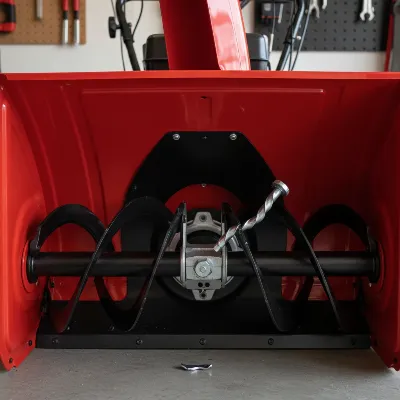 A snow blower auger assembly with a highlighted snapped shear pin, illustrating a common problem.
Worn or Broken Drive Belts
The drive belts are critical for transferring power from the engine to the auger system. Snow blowers typically use one or more V-belts or cogged belts for this purpose. Over time, these belts can stretch, fray, crack, or even snap due to wear and tear, age, or excessive strain. If a belt is worn or loose, it might slip, causing the auger to turn intermittently or not at all. A completely broken belt, of course, means no power transfer whatsoever.
To inspect the belts, you’ll usually need to remove a protective cover near the engine or under the snow blower’s body. Visually examine the belts for any signs of damage, such as cracks, fraying, glazing, or missing cogs. Also, check for proper tension; a belt that is too loose will slip. If the belt is damaged or excessively worn, it needs to be replaced. Ensure you use the correct belt type and size specified by your snow blower’s manufacturer for optimal performance and longevity.
Damaged Auger Drive Cable
Many snow blowers use an auger drive cable to engage and disengage the auger when you squeeze or release a control lever on the handle. If this cable is stretched, frayed, broken, or improperly adjusted, the auger may not receive the signal to engage or may not engage fully. If the auger doesn’t rotate when you engage the control lever, there might be too much slack in the cable. Conversely, if the auger doesn’t stop when you release the lever, the cable might be too tight.
Inspect the entire length of the auger drive cable for any visible damage, such as kinks, fraying, or a complete break. Check its connection points at both the control lever and the auger engagement mechanism. Many cables have an adjustment point, often a threaded barrel or a spring-loaded tensioner, which allows you to fine-tune the tension. If the cable is broken or severely damaged, replacement is necessary. Proper cable tension ensures reliable auger engagement and disengagement.
Auger Obstruction
Sometimes, the simplest explanation is the correct one: something is physically blocking the auger from turning. This could be a chunk of ice, a large rock, a frozen newspaper, or any other foreign object that got sucked into the auger housing. While shear pins are designed to break in such instances, smaller but stubborn obstructions can sometimes jam the auger without snapping the pins immediately, especially if the engine is not under full load.
Always turn off the engine and disconnect the spark plug wire before attempting to clear any obstruction. Use a snow blower clearing tool (a plastic or wooden stick) to carefully remove the blockage from the auger housing. Never use your hands or feet, as the auger can store tension and unexpectedly move, even when the engine is off. Once the obstruction is cleared, inspect the auger blades and shear pins for any damage that might have occurred.
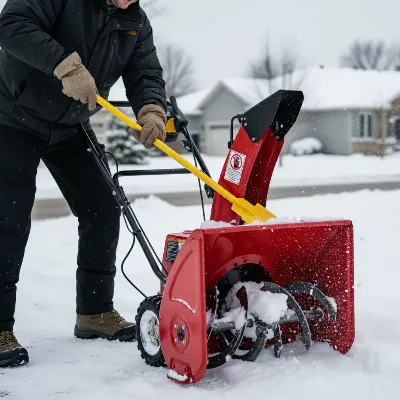 A person safely clearing a snow blower auger obstruction with a specialized clearing tool.
Seized Auger Bearings
The auger shaft rotates on bearings, which are designed to allow smooth movement with minimal friction. Over time, these bearings can wear out, become corroded from moisture, or seize up if they are not properly lubricated. A seized bearing will prevent the auger from rotating freely, even if all other components are functioning correctly. This can manifest as the auger not turning at all, or turning with extreme difficulty and grinding noises.
To check for seized bearings, with the engine off and spark plug disconnected, try to rotate the auger by hand. If it feels stiff, resists movement, or makes scraping sounds, the bearings might be at fault. In some cases, proper lubrication might free up a partially seized bearing, but often, a full replacement is required. Replacing bearings can be a more involved repair, potentially requiring specialized tools and some mechanical aptitude.
Faulty Gearbox
The gearbox (or gearcase assembly) is a crucial component that translates the rotational power from the drive belt into the auger’s spinning motion. Inside the gearbox are gears that can wear down, strip, or break over time, especially if the auger has frequently encountered heavy resistance or if shear pins were improperly replaced with regular bolts. If the drive belt and auger shaft are moving, but the augers themselves are not spinning or are only moving weakly, a faulty gearbox is a strong possibility.
Diagnosing a faulty gearbox often involves checking if the input shaft to the gearbox is turning while the output shaft to the augers remains stationary. This typically requires removing covers and careful observation. A common sign of gearbox failure is also when the impeller spins but the auger doesn’t move, indicating power is reaching past the auger stage. Unfortunately, gearbox repairs often mean replacing the entire unit, as internal gear components are rarely sold separately or are too complex for a typical DIY repair.
> “Always remember, the shear pins are your snow blower’s first line of defense. Sacrificing a cheap pin to save an expensive gearbox is always the right call.” – John Miller, Master Small Engine Technician
Damaged Auger Blades/Assembly
While less common than shear pins or belts, physical damage to the auger blades themselves or the entire auger assembly can prevent it from turning effectively. Hitting a large, unseen object can bend or break auger blades, causing them to bind within the housing or become unbalanced, making rotation impossible or extremely difficult.
Visually inspect the auger blades for any significant bends, breaks, or missing sections. If the blades are severely deformed, they might be catching on the auger housing. In some cases, individual auger paddles can be replaced, but if the main auger shaft is bent or the damage is extensive, the entire auger assembly might need replacement. This is a more substantial repair, often warranting professional assistance if you’re not comfortable tackling it yourself.
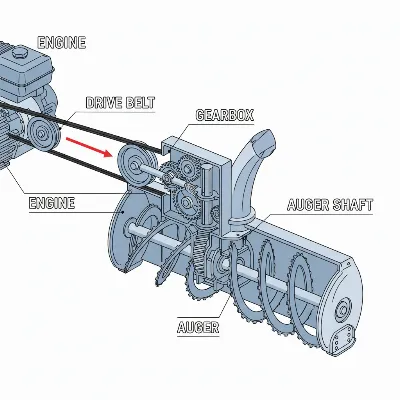 Diagram illustrating the internal components of a snow blower's auger and gearbox system.
Troubleshooting Steps & Safety Precautions
Before attempting any inspection or repair on your snow blower, ALWAYS prioritize safety.
- Turn Off the Engine: Ensure the engine is completely off and has cooled down.
- Disconnect the Spark Plug Wire: This crucial step prevents accidental starting of the engine while you’re working on the machine, eliminating the risk of injury.
- Wear Protective Gear: Gloves and eye protection are recommended to protect against sharp edges and debris.
Systematic Diagnosis:
- Initial Visual Check: Start by simply looking at the auger. Are there any obvious obstructions? Are the shear pins visibly intact?
- Manual Auger Rotation: With power disconnected, try to turn the auger by hand. Does it spin freely? Does it feel stiff or make noises?
- Inspect Shear Pins: If the auger spins too freely, check all shear pins carefully.
- Remove Belt Cover: If shear pins are fine, remove the protective cover to access the belts. Inspect them for wear, breakage, or looseness.
- Check Auger Cable: Follow the auger engagement cable from the handle lever to the auger housing. Look for damage or incorrect tension.
- Examine Bearings/Gearbox: If belts and cable are fine, these internal components are next. This may require more disassembly and is often where professional help might be considered.
Tools You Might Need:
- Wrench set or socket set (for shear pins, belt covers, gearbox bolts)
- Screwdrivers (for covers)
- Needle-nose pliers (for cotter pins)
- Flashlight (for inspecting dark areas)
- Snow blower clearing tool (for obstructions)
- Manufacturer-specified replacement parts (shear pins, belts, cables)
- Grease gun (for lubricating bearings, if applicable)
Prevention and Maintenance Tips
Proactive maintenance is key to preventing auger issues and extending the life of your snow blower.
- Regular Inspections: Before and after each season, and periodically during heavy use, inspect your snow blower. Check belts for wear, cables for fraying, and auger blades for damage.
- Clear Obstructions Promptly: If you hit something or suspect a clog, immediately stop the engine and clear it safely using a clearing tool. Do not wait for the auger to bind or for shear pins to break.
- Keep Spare Shear Pins: Always have a supply of manufacturer-specified shear pins on hand. They are inexpensive and essential for quick repairs.
- Lubricate Moving Parts: Consult your owner’s manual for recommended lubrication points, especially for auger bearings and gearbox components. Proper lubrication prevents seizing and wear.
- Proper Storage: When storing your snow blower for the off-season, clean it thoroughly, remove any remaining fuel (or add a fuel stabilizer), and store it in a dry, protected area. This prevents corrosion and extends component life.
- Use Correct Parts: When replacing any component, especially shear pins and belts, always use parts recommended by your snow blower’s manufacturer. Generic parts may not fit correctly or perform as intended, potentially leading to further damage.
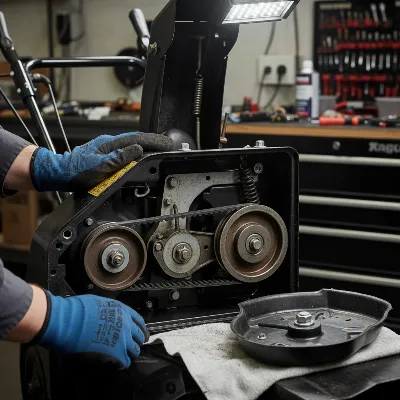 A person inspecting the drive belts of a snow blower, showing proper maintenance.
When to Call a Professional
While many auger problems can be resolved with basic DIY skills, there are instances when professional help is advisable.
- Complex Gearbox Issues: If you suspect a faulty gearbox and are not comfortable with extensive disassembly and potential part replacement, it’s best to consult a certified technician.
- Engine-Related Problems: If the engine is running poorly, making unusual noises, or struggling to maintain power, the issue might extend beyond the auger system and require specialized engine diagnostics.
- Lack of Tools or Expertise: If you don’t have the necessary tools or feel unsure about performing a repair, attempting it yourself could cause more harm than good.
- Safety Concerns: Any repair that makes you feel unsafe should be left to a professional. Your personal safety is paramount.
A professional technician has the experience, specialized tools, and diagnostic equipment to quickly and accurately identify and fix complex problems, ensuring your snow blower is safe and reliable for the winter season.
Conclusion
A non-turning snow blower auger is a common problem, but one that is often solvable with a bit of troubleshooting and the right tools. From snapped shear pins and worn belts to cable issues or more significant gearbox failures, understanding the potential causes empowers you to diagnose and often fix the problem yourself. Regular maintenance and adherence to safety protocols are your best defense against unexpected breakdowns. By taking a proactive approach, you can ensure your snow blower is always ready to tackle the toughest winter conditions. Is your snow blower now cleared of its auger woes, or are you still pondering its next snowy adventure?
Frequently Asked Questions
Why is my snow blower auger not turning when the engine is running?
If your snow blower engine runs but the auger doesn’t turn, the most common causes are a broken shear pin, a snapped or severely stretched drive belt, a damaged auger drive cable, or a significant obstruction jamming the auger. Less common but possible causes include seized auger bearings or a faulty gearbox that fails to transfer power to the auger.
What should I do if the impeller turns but the auger doesn’t?
If the impeller is spinning but the auger remains stationary, the most likely cause is a broken shear pin. Shear pins connect the auger to its drive shaft and are designed to break to protect the gearbox. Other possibilities include a broken auger shaft or a severe internal gearbox failure that allows the impeller to operate independently of the auger.
Can I use a regular bolt instead of a shear pin?
No, you should never use a regular bolt as a substitute for a manufacturer-specified shear pin. Shear pins are engineered to break at a specific torque to protect the more expensive components of your snow blower, such as the gearbox and engine, from damage when the auger hits an obstruction. A regular bolt is stronger and will not break, transferring the stress to other parts and potentially causing much more costly repairs.
How often should I check my snow blower’s belts and shear pins?
It’s recommended to visually inspect your Snow Blower’s belts and shear pins before each snow season and periodically during heavy use. After hitting an obstruction or if you notice any changes in performance, it’s crucial to check them immediately. Keeping spare shear pins on hand is always a good practice for quick, on-the-spot repairs.